Buy frohnau.eu ?
We are moving the project
frohnau.eu .
Are you interested in purchasing the domain
frohnau.eu ?
domain@kv-gmbh.de · 0541-91531010
Buy frohnau.eu ?
Aren't yew needles deadly?
Yes, yew needles are toxic and can be deadly if ingested. The entire yew plant, including the needles, contains a toxic substance called taxine, which can cause symptoms such as vomiting, diarrhea, difficulty breathing, and even cardiac arrest if consumed in large quantities. It is important to keep yew plants away from children and pets to prevent accidental ingestion. **
Can you cut yew columns?
Yes, yew wood is known for its durability and fine grain, making it suitable for carving and shaping into columns. However, it is important to note that yew wood is toxic, so proper precautions should be taken when cutting and working with it. Additionally, yew wood is known to be quite hard and dense, so using sharp tools and taking your time with the cutting process is recommended to achieve clean and precise results. **

Similar search terms for Yew
Top-Angebote
Products related to Yew:
-
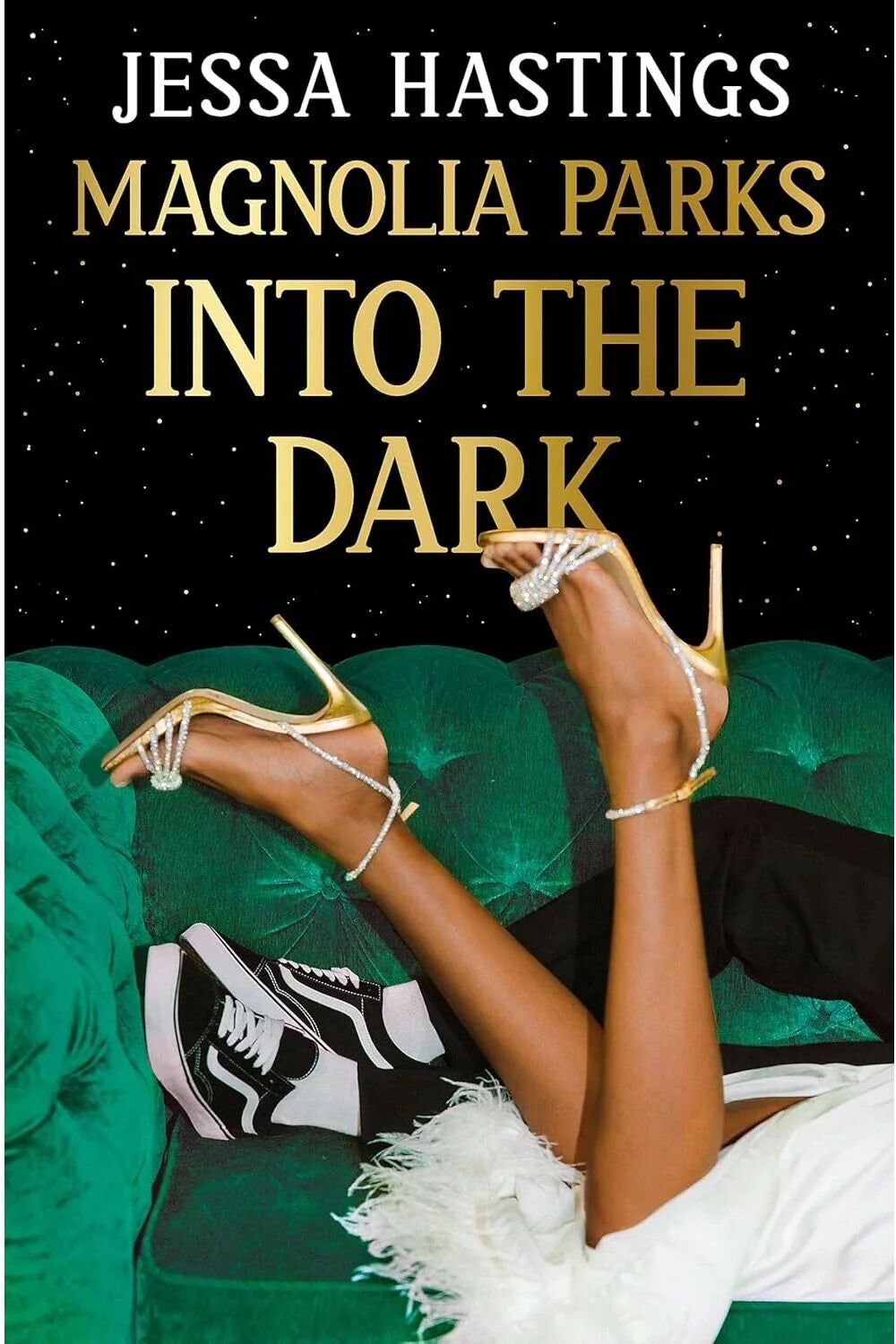
Orion Magnolia Parks: Into the Dark by Jessa Hastings - Book 5 Magnolia Parks Universe - Contemporary Romance Paperback -Get lost in the addictive world of Jessa Hastings' Magnolia Parks Universe with book five, Into the Dark. This contemporary romance novel follows Magnolia and BJ as they face a devastating loss while planning their high-profile wedding. As family tensions rise and secrets resurface, they must decide if their love can survive the darkest chapter of their story yet. A brand new paperback edition, perfect for fans of glamorous, emotionally charged romance. Jessa Hastings weaves high-society glamour with raw, intimate vulnerability, exploring the complexities of relationships and the power of love to overcome adversity. Following on from Magnolia Parks, Daisy Haites, Magnolia Parks: The Long Way Home and Daisy Haites: The Great Undoing, Into the Dark is a gripping addition to the series, sure to captivate readers with its relatable characters and engaging storyline.8,99 £*Shipping: 2,99 £Secure redirect to the provider
-
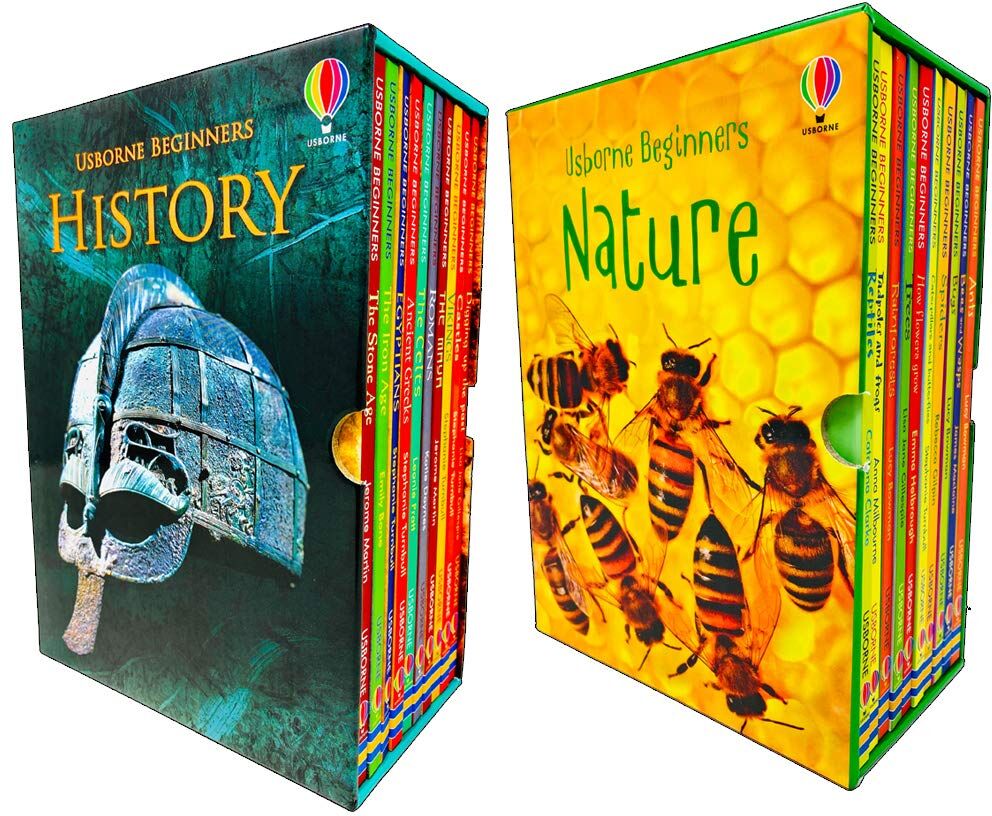
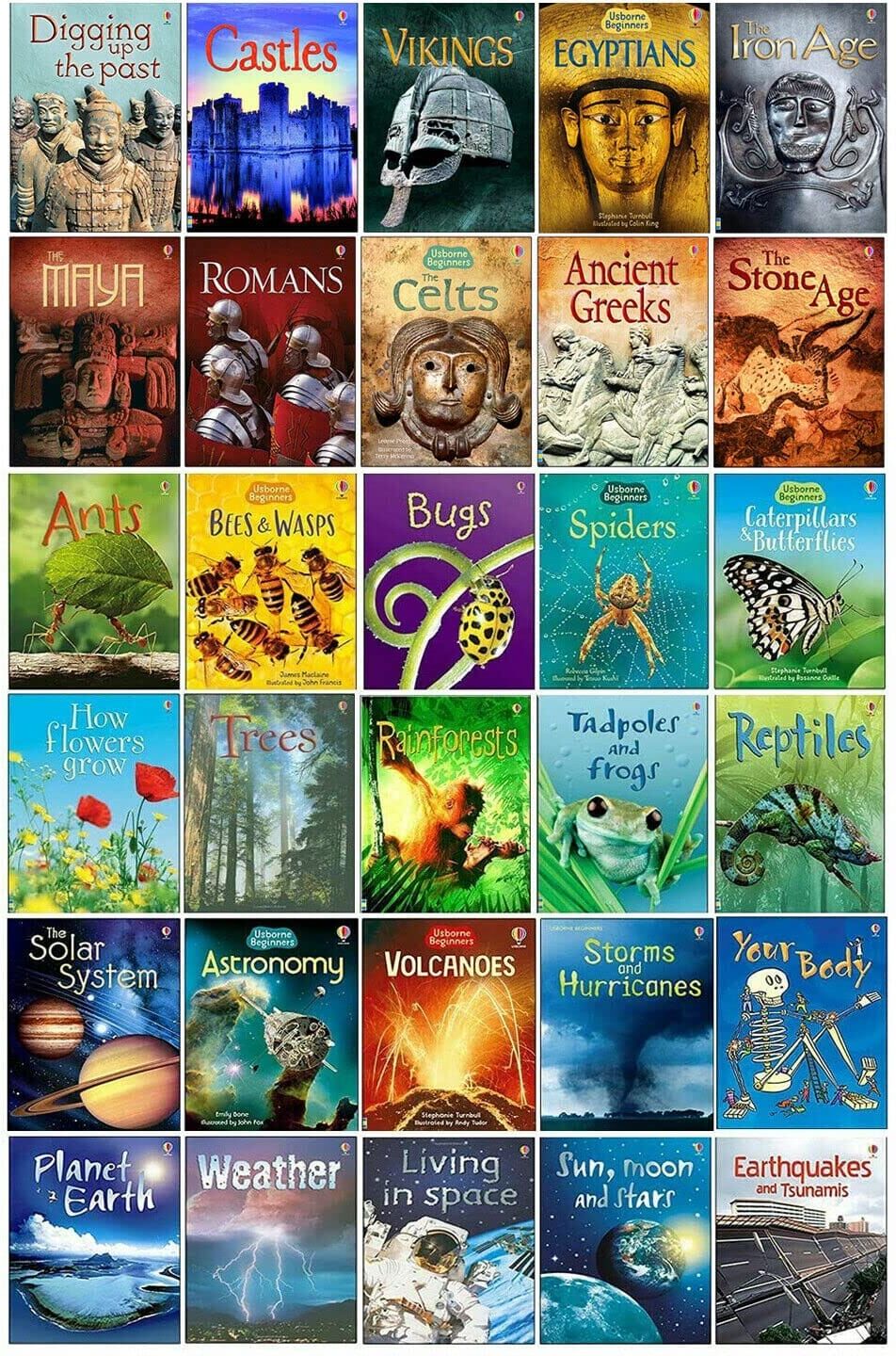
Usborne Beginners Nature, Science & History Collection 30 Books Set - Ages 4-10 - Paperback Usborne Publishing LtdTitles in This Set: Usborne Beginners Nature 10 Books: 1. Ants 2. Bees & Wasps 3. Bugs 4. Spiders 5. Tadpoles and Frogs 6. Caterpillars and Butterflies 7. How Flowers Grow 8. Trees 9. Rainforest 10. Reptiles Usborne Beginners Science 10 Books: 1. Earthquakes & Tsunamis 2. Sun Moon and Stars 3. Living in Space 4. Storms and Hurricanes 5. Volcanoes 6. Astronomy 7. The Solar System 8. Your Body 9. Planet Earth 10. Weather Usborne Beginners History 10 Books: Titles in This Set: 1. Ancient Greeks 2. Castles 3. Celts 4. Digging Up the Past 5. Egyptians 6. Iron Age 7. Maya 8. Romans 9. Stone Age 10. Vikings Description : Usborne Beginners Nature 10 Books Ants Where do ants live? What do they eat? How much weight can they carry? Little children can find out the answers to these questions and much more in this simple introduction to the world of ants. Bees & Wasps What do bees and wasps eat? What type of nests do they make? How do bees make honey? Find out the answers and lots more in this intriguing introduction to the fascinating world of bees and wasps. Bugs ''There are all kinds of different bugs. Some can jump up high. Other bugs have lots of legs.” Bugs is part of an exciting reading series for young children, with lots of pictures and very simple text. Spiders “Spiders have eight legs. Most of them have eight eyes, but some of them can’t see very well.” Learn all about spiders in this great book for children learning to read by themselves. Tadpoles and Frogs From egg to frog, find out about the entire life cycle of a frog in this easy-to-read fully illustrated book for young learners ages 4+. It comes complete with weblinks so you can see the process for yourself. Caterpillars and Butterflies A beautifully illustrated introduction to the life of butterflies and caterpillars, with easy to read text for beginner readers. The life cycle of a butterfly is shown with stunning photographs and illustrations, and there are links to carefully selected websites with videos that show butterflies emerging from their pupae. How Flowers Grow How do flowers grow in dry deserts? How do animals help to spread seeds? Which flower smells like rotting meat? Find out in this great book for young readers ages four and up. Trees How do trees use their leaves to make food? Why do they grow flowers and fruit? Which animals live inside a tree trunk and build nests in its branches? How can we help to protect trees? This book has all the answers and much more, along with photographs, step-by-step illustrations, simple text and links to websites with video clips and activities. Rainforests Learn all about the rainforest in this fantastic easy-to-read book for children 4+ beginning to strike out on their own. From towering trees to rainforest rivers, this fully-illustrated book also features links to carefully selected websites. Reptiles Learn all about the lizard world in this fully-illustrated guide, the latest in the Usborne Beginners series. From scaly skin to tongue tricks...42,75 £*Shipping: 0,00 £Secure redirect to the provider
-
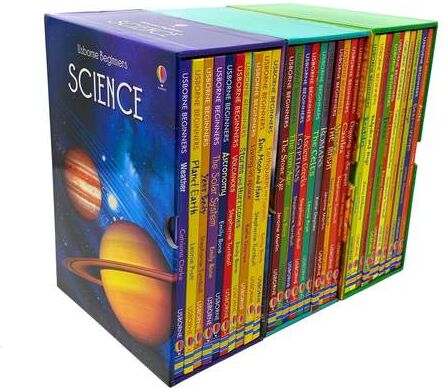
Usborne Beginners Series – 30 Book Collection Box Set Children’s Educational Books (History, Nature & Science) KS1 KS2Usborne Beginners Series 30 Books Collection Box Set (History- Nature- Science) Build a strong foundation in knowledge and reading with the Usborne Beginners Series – 30 Books Collection Box Set, published by Usborne. This comprehensive educational collection introduces children to a wide range of topics across history, science, and nature, using clear language, engaging illustrations, and structured layouts designed for young learners. Perfectly suited for KS1 and KS2 pupils, these books support both curriculum learning and independent reading. From natural disasters and wildlife to historical events and scientific discoveries, the series encourages curiosity, critical thinking, and a love of learning. Description Titles in this set: History Stone Age Iron Age Egyptians Ancient Greeks Celts Romans The Maya Vikings Castles Digging Up the Past Nature Reptiles Tadpoles and Frogs Rainforest Trees How Flowers Grow Caterpillars and Butterflies Spiders Bugs Bees & Wasps Ants Science Earthquakes & Tsunamis Sun Moon and Stars Living in Space Storms and Hurricanes Volcanoes Astronomy The Solar System Your Body Planet Earth Weather Related Tags: Usborne, Usbourne42,75 £*Shipping: 0,00 £Secure redirect to the provider
-
John Deere Built by Skechers Flex-Wedge Ranger-Wild Yew-256117 - Mens 9.5 Brown Boot Medium*Skechers x John Deere. Waterproof upper with a composite safety toe. Lace-up front closure. Vapor Foam insole. Goodyear Rubber outsole. Slip resistant under wet and dry conditions. Provides protection against electrical hazards John Deere Built...98,97 $*Shipping: 0,00 $Secure redirect to the provider

-
Is yew poisonous to animals?
Yes, yew is poisonous to animals. The entire yew plant, including its leaves, seeds, and bark, contains a toxic compound called taxine. Ingesting any part of the yew plant can be fatal to animals, including livestock, pets, and wildlife. It is important to keep animals away from yew plants and to seek immediate veterinary attention if ingestion is suspected. **
-
Can yew trees be heavily pruned?
Yew trees can be heavily pruned, but it is important to do so carefully and at the right time of year to avoid damaging the tree. Heavy pruning should be done in late winter or early spring before new growth begins. It is recommended to gradually reduce the size of the tree over a few years rather than removing a large amount of growth all at once. Proper pruning techniques should be followed to ensure the health and longevity of the yew tree. **
-
How toxic is yew for humans?
Yew is highly toxic to humans if ingested. All parts of the yew plant, including the seeds, leaves, and bark, contain toxic compounds called taxines. Ingesting even a small amount of yew can be fatal, causing symptoms such as dizziness, difficulty breathing, and cardiac arrest. It is important to exercise caution and avoid contact with yew plants to prevent accidental poisoning. **
-
Can yew be toxic when burned?
Yes, yew can be toxic when burned. When yew wood is burned, it releases toxic compounds called taxanes, which can be harmful if inhaled. These compounds can cause symptoms such as dizziness, difficulty breathing, and irritation to the eyes, nose, and throat. It is important to avoid burning yew wood in enclosed spaces or using it for cooking or heating. **


How tall can a yew tree grow?
Yew trees can grow up to 50-60 feet tall, with some exceptional specimens reaching heights of 70 feet or more. These trees are known for their slow growth rate, so it can take many years for them to reach their full height. Yew trees are often pruned and shaped for ornamental purposes, which can affect their ultimate height. **
When can I trim a yew tree?
The best time to trim a yew tree is in late winter or early spring before new growth begins. This timing allows the tree to recover quickly and promotes healthy regrowth. Avoid trimming yew trees in the fall as it may leave them vulnerable to winter damage. It's important to prune yew trees regularly to maintain their shape and health. **
Top-Angebote
Products related to Yew:
-
John Deere Built by Skechers Flex-Wedge Ranger-Wild Yew-256117 - Mens 7.5 Brown Boot Medium*Skechers x John Deere. Waterproof upper with a composite safety toe. Lace-up front closure. Vapor Foam insole. Goodyear Rubber outsole. Slip resistant under wet and dry conditions. Provides protection against electrical hazards John Deere Built...98,97 $*Shipping: 0,00 $Secure redirect to the provider
-
Usborne Publishing Ltd Usborne Beginners History & Usborne Beginners Nature 20 Books Collection Box SetTitles in this set: Usborne Beginners History Stone Age Iron Age Egyptians Ancient Greeks Celts Romans The Maya Vikings Castles Digging Up the Past. Usborne Beginners Nature Reptiles Tadpoles and Frogs Rainforest Trees How Flowers Grow Caterpillars and Butterflies Spiders Bugs Bees & Wasps Ants Description Stone Age This simple information book follows the history of Stone Age people and how they lived. Iron Age This simple information book charts the history of Iron Age people and how they lived, including their farming methods, the gods they prayed to and the hill forts where they lived. Egyptians Who were the ancient Egyptians? Why did they build pyramids and how were mummies made? Ancient Greeks Find out about Ancient Greece, what people wore, ate and did for fun and learn about some of the most famous philosophers and mathematicians of the age in this compelling book for beginner readers. Celts Who were the Celts exactly? Did you know they lived on top of hills? Do you have any idea how Celtic warriors made themselves look really scary in battle? Romans Who were the ancient Romans? Where did they go to eat, shop and wash? What did they do for fun? The Maya Who were the Maya? Where did they live? Why did they build tall stone temples? Vikings Find out what it was like to be a Viking, and learn about Viking homes, feasts, boats, gods and much more in this fascinating book. Castles Who lived in a castle, and what was it like? Children can find out the answers to these questions and lots more about the wonderful world of castles in this informative book. Digging Up the Past How do ancient things get buried? Who digs them up? And what do they find? Beginner readers can find answers to these questions and more in this colourful information book. Reptiles This is a fantastic brand new addition to the "Beginners" series, designed to provide an informative introduction to trees and plant-life for young readers. Tadpoles and Frogs Vivid, full colour illustrations and photographs on every page, accompanied by short, informative text. Rainforest It offers a terrific reading practice for children who prefer fact to fiction. It is developed with a reading expert from Roehampton University to help young readers grow in confidence. Trees This is a fantastic brand new addition to the 'Beginners' series, designed to provide an informative introduction to trees and plant-life for young readers. How Flowers Grow How do flowers grow in dry deserts? How do animals help to spread seeds? Which flower smells like rottng meat? Caterpillars and Butterflies Usborne Beginners are colourful information books for children beginning to read on their own. Spiders Usborne Beginners are colourful information books for children beginning to read on their own. Bugs Usborne Beginners are colourful information books for children beginning to read on their own. Bees & Wasps A slim and unintimidating book which belies its contents - a wealth of information, much of which will be...34,99 £*Shipping: 2,99 £Secure redirect to the provider
-
Orion Magnolia Parks: Into the Dark by Jessa Hastings - Book 5 Magnolia Parks Universe - Contemporary Romance Paperback -Get lost in the addictive world of Jessa Hastings' Magnolia Parks Universe with book five, Into the Dark. This contemporary romance novel follows Magnolia and BJ as they face a devastating loss while planning their high-profile wedding. As family tensions rise and secrets resurface, they must decide if their love can survive the darkest chapter of their story yet. A brand new paperback edition, perfect for fans of glamorous, emotionally charged romance. Jessa Hastings weaves high-society glamour with raw, intimate vulnerability, exploring the complexities of relationships and the power of love to overcome adversity. Following on from Magnolia Parks, Daisy Haites, Magnolia Parks: The Long Way Home and Daisy Haites: The Great Undoing, Into the Dark is a gripping addition to the series, sure to captivate readers with its relatable characters and engaging storyline.8,99 £*Shipping: 2,99 £Secure redirect to the provider
-
Usborne Beginners Nature, Science & History Collection 30 Books Set - Ages 4-10 - Paperback Usborne Publishing LtdTitles in This Set: Usborne Beginners Nature 10 Books: 1. Ants 2. Bees & Wasps 3. Bugs 4. Spiders 5. Tadpoles and Frogs 6. Caterpillars and Butterflies 7. How Flowers Grow 8. Trees 9. Rainforest 10. Reptiles Usborne Beginners Science 10 Books: 1. Earthquakes & Tsunamis 2. Sun Moon and Stars 3. Living in Space 4. Storms and Hurricanes 5. Volcanoes 6. Astronomy 7. The Solar System 8. Your Body 9. Planet Earth 10. Weather Usborne Beginners History 10 Books: Titles in This Set: 1. Ancient Greeks 2. Castles 3. Celts 4. Digging Up the Past 5. Egyptians 6. Iron Age 7. Maya 8. Romans 9. Stone Age 10. Vikings Description : Usborne Beginners Nature 10 Books Ants Where do ants live? What do they eat? How much weight can they carry? Little children can find out the answers to these questions and much more in this simple introduction to the world of ants. Bees & Wasps What do bees and wasps eat? What type of nests do they make? How do bees make honey? Find out the answers and lots more in this intriguing introduction to the fascinating world of bees and wasps. Bugs ''There are all kinds of different bugs. Some can jump up high. Other bugs have lots of legs.” Bugs is part of an exciting reading series for young children, with lots of pictures and very simple text. Spiders “Spiders have eight legs. Most of them have eight eyes, but some of them can’t see very well.” Learn all about spiders in this great book for children learning to read by themselves. Tadpoles and Frogs From egg to frog, find out about the entire life cycle of a frog in this easy-to-read fully illustrated book for young learners ages 4+. It comes complete with weblinks so you can see the process for yourself. Caterpillars and Butterflies A beautifully illustrated introduction to the life of butterflies and caterpillars, with easy to read text for beginner readers. The life cycle of a butterfly is shown with stunning photographs and illustrations, and there are links to carefully selected websites with videos that show butterflies emerging from their pupae. How Flowers Grow How do flowers grow in dry deserts? How do animals help to spread seeds? Which flower smells like rotting meat? Find out in this great book for young readers ages four and up. Trees How do trees use their leaves to make food? Why do they grow flowers and fruit? Which animals live inside a tree trunk and build nests in its branches? How can we help to protect trees? This book has all the answers and much more, along with photographs, step-by-step illustrations, simple text and links to websites with video clips and activities. Rainforests Learn all about the rainforest in this fantastic easy-to-read book for children 4+ beginning to strike out on their own. From towering trees to rainforest rivers, this fully-illustrated book also features links to carefully selected websites. Reptiles Learn all about the lizard world in this fully-illustrated guide, the latest in the Usborne Beginners series. From scaly skin to tongue tricks...42,75 £*Shipping: 0,00 £Secure redirect to the provider
-
Aren't yew needles deadly?
Yes, yew needles are toxic and can be deadly if ingested. The entire yew plant, including the needles, contains a toxic substance called taxine, which can cause symptoms such as vomiting, diarrhea, difficulty breathing, and even cardiac arrest if consumed in large quantities. It is important to keep yew plants away from children and pets to prevent accidental ingestion. **
-
Can you cut yew columns?
Yes, yew wood is known for its durability and fine grain, making it suitable for carving and shaping into columns. However, it is important to note that yew wood is toxic, so proper precautions should be taken when cutting and working with it. Additionally, yew wood is known to be quite hard and dense, so using sharp tools and taking your time with the cutting process is recommended to achieve clean and precise results. **
-
Is yew poisonous to animals?
Yes, yew is poisonous to animals. The entire yew plant, including its leaves, seeds, and bark, contains a toxic compound called taxine. Ingesting any part of the yew plant can be fatal to animals, including livestock, pets, and wildlife. It is important to keep animals away from yew plants and to seek immediate veterinary attention if ingestion is suspected. **
-
Can yew trees be heavily pruned?
Yew trees can be heavily pruned, but it is important to do so carefully and at the right time of year to avoid damaging the tree. Heavy pruning should be done in late winter or early spring before new growth begins. It is recommended to gradually reduce the size of the tree over a few years rather than removing a large amount of growth all at once. Proper pruning techniques should be followed to ensure the health and longevity of the yew tree. **
Similar search terms for Yew
-
Usborne Beginners Series – 30 Book Collection Box Set Children’s Educational Books (History, Nature & Science) KS1 KS2Usborne Beginners Series 30 Books Collection Box Set (History- Nature- Science) Build a strong foundation in knowledge and reading with the Usborne Beginners Series – 30 Books Collection Box Set, published by Usborne. This comprehensive educational collection introduces children to a wide range of topics across history, science, and nature, using clear language, engaging illustrations, and structured layouts designed for young learners. Perfectly suited for KS1 and KS2 pupils, these books support both curriculum learning and independent reading. From natural disasters and wildlife to historical events and scientific discoveries, the series encourages curiosity, critical thinking, and a love of learning. Description Titles in this set: History Stone Age Iron Age Egyptians Ancient Greeks Celts Romans The Maya Vikings Castles Digging Up the Past Nature Reptiles Tadpoles and Frogs Rainforest Trees How Flowers Grow Caterpillars and Butterflies Spiders Bugs Bees & Wasps Ants Science Earthquakes & Tsunamis Sun Moon and Stars Living in Space Storms and Hurricanes Volcanoes Astronomy The Solar System Your Body Planet Earth Weather Related Tags: Usborne, Usbourne42,75 £*Shipping: 0,00 £Secure redirect to the provider
-
John Deere Built by Skechers Flex-Wedge Ranger-Wild Yew-256117 - Mens 9.5 Brown Boot Medium*Skechers x John Deere. Waterproof upper with a composite safety toe. Lace-up front closure. Vapor Foam insole. Goodyear Rubber outsole. Slip resistant under wet and dry conditions. Provides protection against electrical hazards John Deere Built...98,97 $*Shipping: 0,00 $Secure redirect to the provider
-
John Deere Built by Skechers Flex-Wedge Ranger-Wild Yew-256117 - Mens 11.5 Brown Boot Medium*Skechers x John Deere. Waterproof upper with a composite safety toe. Lace-up front closure. Vapor Foam insole. Goodyear Rubber outsole. Slip resistant under wet and dry conditions. Provides protection against electrical hazards John Deere Built...98,97 $*Shipping: 0,00 $Secure redirect to the provider
-
John Deere Built by Skechers Flex-Wedge Ranger-Wild Yew-256117 - Mens 13 Brown Boot Medium*Skechers x John Deere. Waterproof upper with a composite safety toe. Lace-up front closure. Vapor Foam insole. Goodyear Rubber outsole. Slip resistant under wet and dry conditions. Provides protection against electrical hazards John Deere Built...98,97 $*Shipping: 0,00 $Secure redirect to the provider
-
How toxic is yew for humans?
Yew is highly toxic to humans if ingested. All parts of the yew plant, including the seeds, leaves, and bark, contain toxic compounds called taxines. Ingesting even a small amount of yew can be fatal, causing symptoms such as dizziness, difficulty breathing, and cardiac arrest. It is important to exercise caution and avoid contact with yew plants to prevent accidental poisoning. **
-
Can yew be toxic when burned?
Yes, yew can be toxic when burned. When yew wood is burned, it releases toxic compounds called taxanes, which can be harmful if inhaled. These compounds can cause symptoms such as dizziness, difficulty breathing, and irritation to the eyes, nose, and throat. It is important to avoid burning yew wood in enclosed spaces or using it for cooking or heating. **
-
How tall can a yew tree grow?
Yew trees can grow up to 50-60 feet tall, with some exceptional specimens reaching heights of 70 feet or more. These trees are known for their slow growth rate, so it can take many years for them to reach their full height. Yew trees are often pruned and shaped for ornamental purposes, which can affect their ultimate height. **
-
When can I trim a yew tree?
The best time to trim a yew tree is in late winter or early spring before new growth begins. This timing allows the tree to recover quickly and promotes healthy regrowth. Avoid trimming yew trees in the fall as it may leave them vulnerable to winter damage. It's important to prune yew trees regularly to maintain their shape and health. **
* All prices are inclusive of VAT and, if applicable, plus shipping costs. The offer information is based on the details provided by the respective shop and is updated through automated processes. Real-time updates do not occur, so deviations can occur in individual cases. ** Note: Parts of this content were created by AI.