Buy frohnau.eu ?
We are moving the project
frohnau.eu .
Are you interested in purchasing the domain
frohnau.eu ?
domain@kv-gmbh.de · 0541-91531010
Buy frohnau.eu ?
What are pulleys?
Pulleys are simple machines that consist of a wheel with a groove around its circumference and a rope or belt that runs along the groove. They are used to lift or move heavy objects by applying force to the rope or belt. By using multiple pulleys in a system, the amount of force needed to lift an object can be reduced, making it easier to move heavy loads. Pulleys are commonly used in various applications such as construction, transportation, and manufacturing. **
Search for toothed belt pulleys (idler) and not for pulleys.
When searching for toothed belt pulleys (idler), it is important to specify "idler" to ensure that the search results are relevant to the specific type of pulley needed for a toothed belt system. Idler pulleys are designed to guide and tension the toothed belt, and they have a smooth surface to minimize wear on the belt. By including "idler" in the search, you can find the appropriate pulleys for your toothed belt system, rather than general pulleys which may not be suitable for this specific application. **

Similar search terms for Pulleys
Top-Angebote
Products related to Pulleys:
-
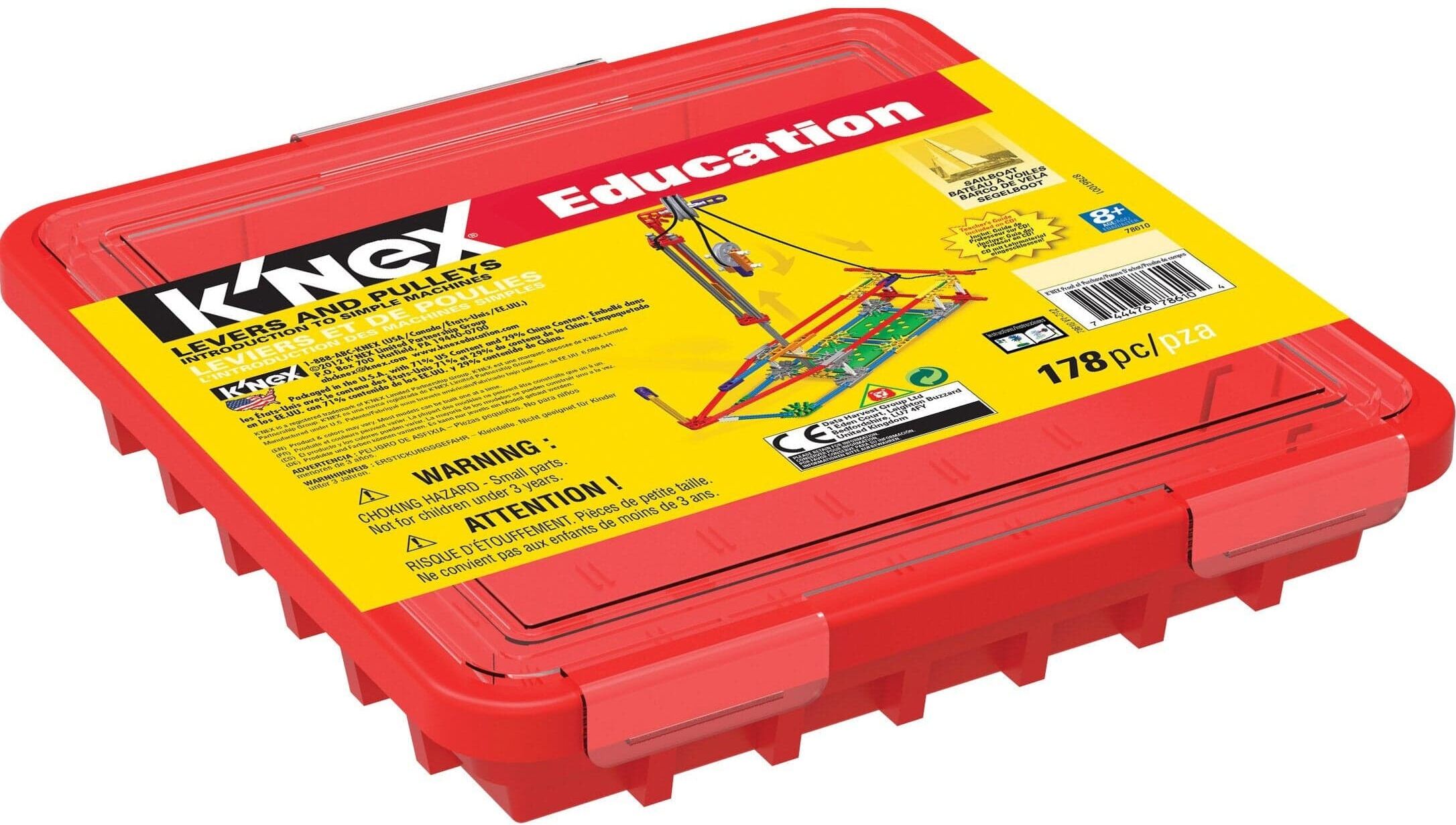
K'Nex Intro To Simple Machines Levers And Pulleys - Educational Toy for Kids - Ages 6 and Up - 100 Pieces - Basic FunIntroduce young learners to the fascinating world of science with the K'Nex Intro To Simple Machines: Levers And Pulleys set. This engaging K'Nex set is perfect for parents, educators, and children who want to explore essential engineering concepts through hands-on activities. With a focus on creativity and critical thinking, this educational toy is a valuable addition to any learning environment. The set encourages children to engage with science through play, fostering creativity by allowing kids to build and experiment with different designs. Made from high-quality, non-toxic plastic, the set is safe for use. An easy-to-follow instruction booklet is included for a seamless building experience. The K'Nex Intro To Simple Machines: Levers And Pulleys set introduces key concepts of levers and pulleys, making learning enjoyable and interactive.25,86 £*Shipping: 3,95 £Secure redirect to the provider
-
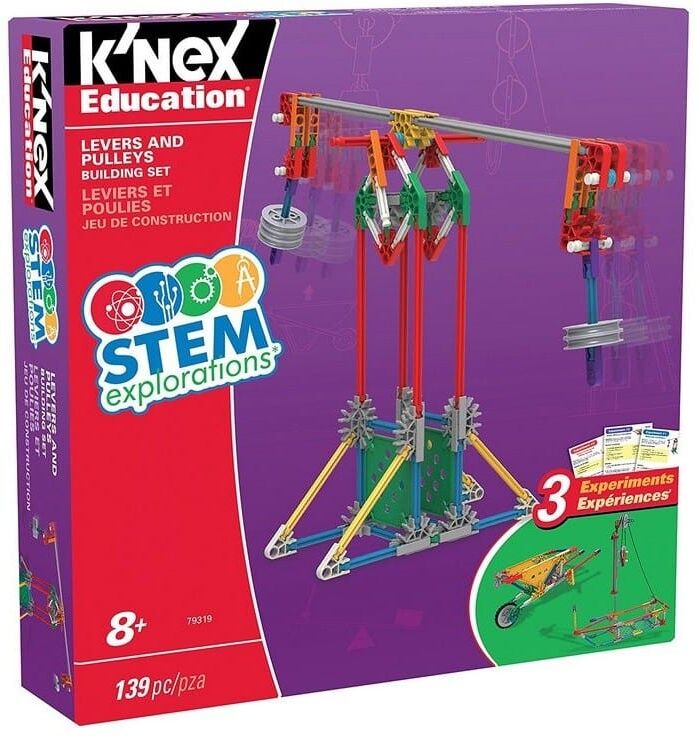
K'NEX Education STEM Explorations Levers & Pulleys Building Set - 139-Piece Construction Toy for Kids - Ages 6-12 - STEM Learning KitExplore the science of simple machines with the K'NEX Education STEM Explorations Levers and Pulleys Building Set. This hands-on construction kit combines creative building with practical STEM learning, helping children understand how everyday mechanical systems work. Using the colourful K'NEX rods, connectors, and specialist components, children can build three fully functioning models: a balance, a wheelbarrow, and a sailboat. Each model demonstrates different principles, giving young learners the opportunity to investigate lever classes, pulley systems, resistance, effort, and mechanical advantage in an engaging way. The set contains 139 pieces and is suitable for one child or a team of two. Once the models are built, three follow-up experiments encourage children to test, compare, and adjust their designs. The accompanying step-by-step instructions and experiment guidance support independent learning, home education, and classroom activities.9,60 £*Shipping: 3,95 £Secure redirect to the provider
-
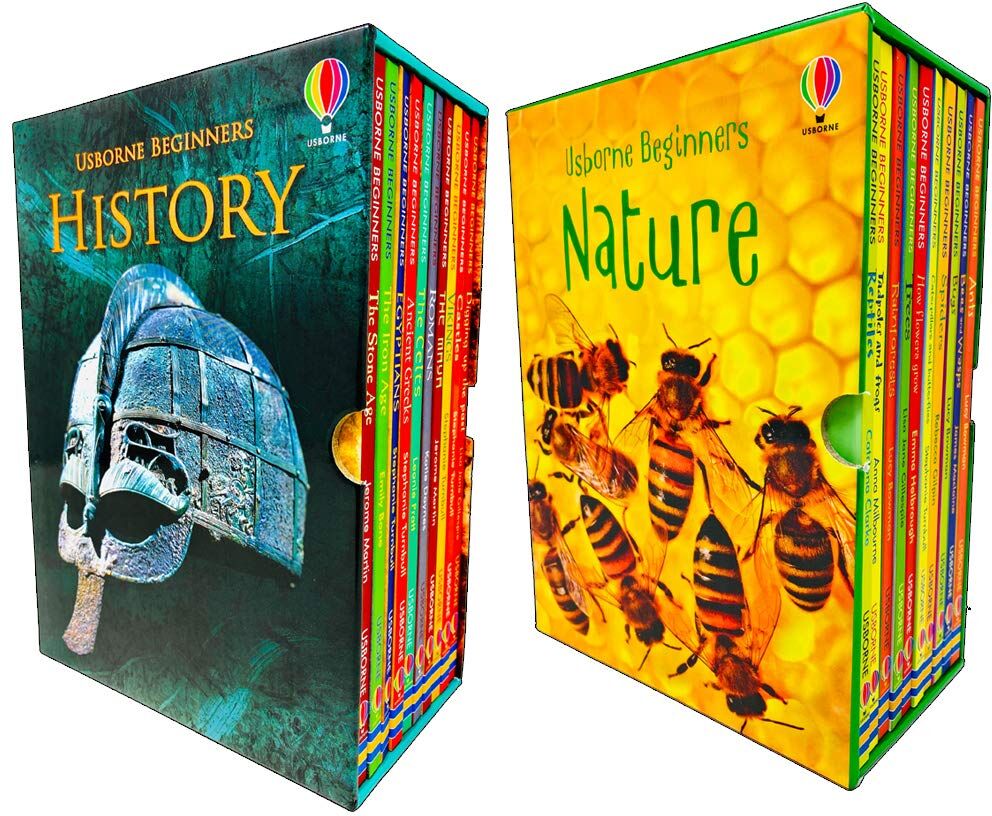
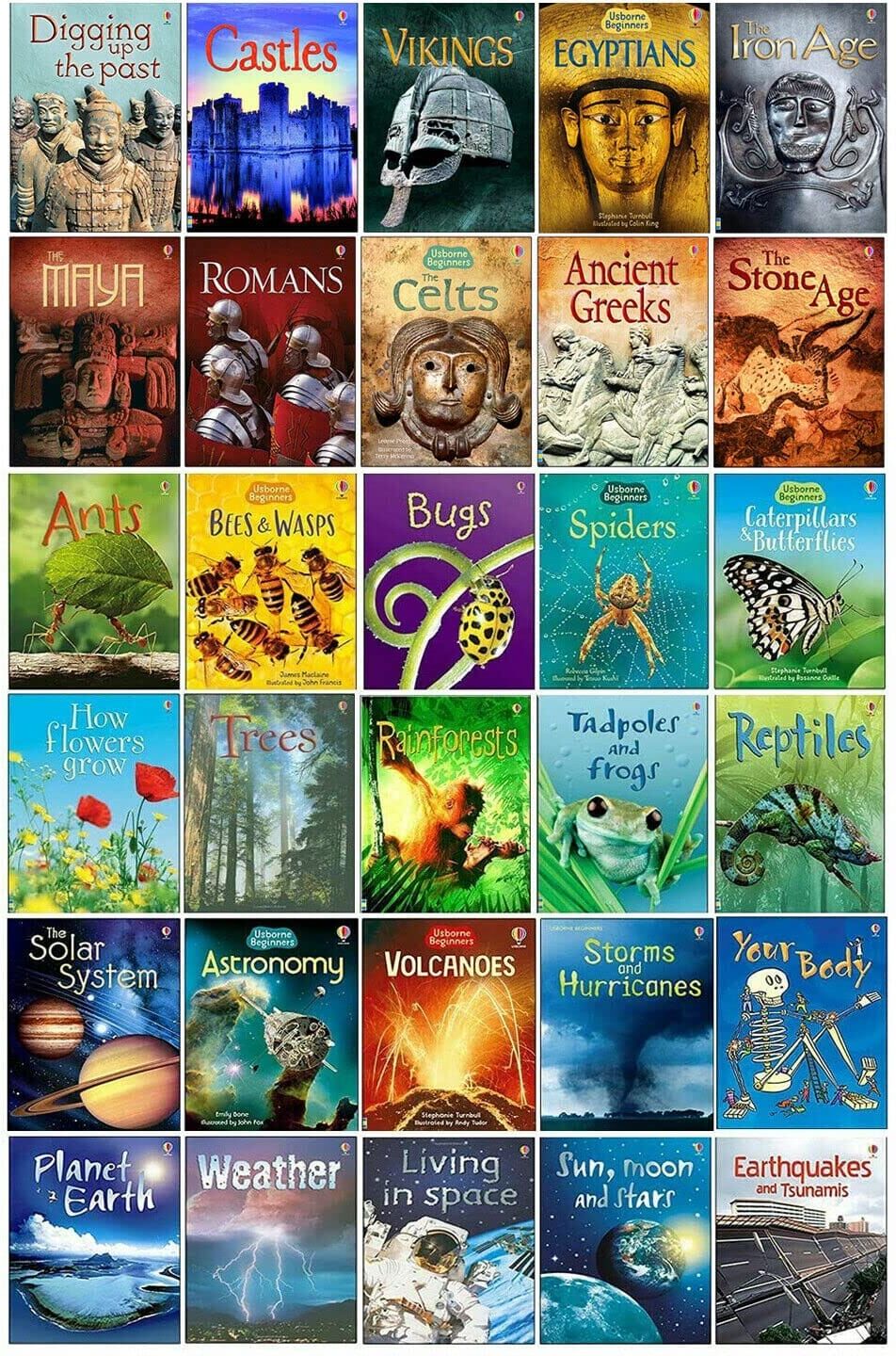
Usborne Publishing Ltd Usborne Beginners History & Usborne Beginners Nature 20 Books Collection Box SetTitles in this set: Usborne Beginners History Stone Age Iron Age Egyptians Ancient Greeks Celts Romans The Maya Vikings Castles Digging Up the Past. Usborne Beginners Nature Reptiles Tadpoles and Frogs Rainforest Trees How Flowers Grow Caterpillars and Butterflies Spiders Bugs Bees & Wasps Ants Description Stone Age This simple information book follows the history of Stone Age people and how they lived. Iron Age This simple information book charts the history of Iron Age people and how they lived, including their farming methods, the gods they prayed to and the hill forts where they lived. Egyptians Who were the ancient Egyptians? Why did they build pyramids and how were mummies made? Ancient Greeks Find out about Ancient Greece, what people wore, ate and did for fun and learn about some of the most famous philosophers and mathematicians of the age in this compelling book for beginner readers. Celts Who were the Celts exactly? Did you know they lived on top of hills? Do you have any idea how Celtic warriors made themselves look really scary in battle? Romans Who were the ancient Romans? Where did they go to eat, shop and wash? What did they do for fun? The Maya Who were the Maya? Where did they live? Why did they build tall stone temples? Vikings Find out what it was like to be a Viking, and learn about Viking homes, feasts, boats, gods and much more in this fascinating book. Castles Who lived in a castle, and what was it like? Children can find out the answers to these questions and lots more about the wonderful world of castles in this informative book. Digging Up the Past How do ancient things get buried? Who digs them up? And what do they find? Beginner readers can find answers to these questions and more in this colourful information book. Reptiles This is a fantastic brand new addition to the "Beginners" series, designed to provide an informative introduction to trees and plant-life for young readers. Tadpoles and Frogs Vivid, full colour illustrations and photographs on every page, accompanied by short, informative text. Rainforest It offers a terrific reading practice for children who prefer fact to fiction. It is developed with a reading expert from Roehampton University to help young readers grow in confidence. Trees This is a fantastic brand new addition to the 'Beginners' series, designed to provide an informative introduction to trees and plant-life for young readers. How Flowers Grow How do flowers grow in dry deserts? How do animals help to spread seeds? Which flower smells like rottng meat? Caterpillars and Butterflies Usborne Beginners are colourful information books for children beginning to read on their own. Spiders Usborne Beginners are colourful information books for children beginning to read on their own. Bugs Usborne Beginners are colourful information books for children beginning to read on their own. Bees & Wasps A slim and unintimidating book which belies its contents - a wealth of information, much of which will be...34,99 £*Shipping: 2,99 £Secure redirect to the provider
-
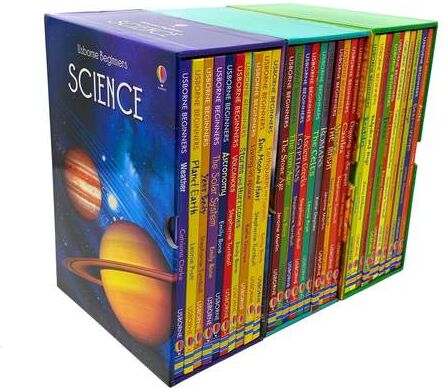
Usborne Beginners Nature, Science & History Collection 30 Books Set - Ages 4-10 - Paperback Usborne Publishing LtdTitles in This Set: Usborne Beginners Nature 10 Books: 1. Ants 2. Bees & Wasps 3. Bugs 4. Spiders 5. Tadpoles and Frogs 6. Caterpillars and Butterflies 7. How Flowers Grow 8. Trees 9. Rainforest 10. Reptiles Usborne Beginners Science 10 Books: 1. Earthquakes & Tsunamis 2. Sun Moon and Stars 3. Living in Space 4. Storms and Hurricanes 5. Volcanoes 6. Astronomy 7. The Solar System 8. Your Body 9. Planet Earth 10. Weather Usborne Beginners History 10 Books: Titles in This Set: 1. Ancient Greeks 2. Castles 3. Celts 4. Digging Up the Past 5. Egyptians 6. Iron Age 7. Maya 8. Romans 9. Stone Age 10. Vikings Description : Usborne Beginners Nature 10 Books Ants Where do ants live? What do they eat? How much weight can they carry? Little children can find out the answers to these questions and much more in this simple introduction to the world of ants. Bees & Wasps What do bees and wasps eat? What type of nests do they make? How do bees make honey? Find out the answers and lots more in this intriguing introduction to the fascinating world of bees and wasps. Bugs ''There are all kinds of different bugs. Some can jump up high. Other bugs have lots of legs.” Bugs is part of an exciting reading series for young children, with lots of pictures and very simple text. Spiders “Spiders have eight legs. Most of them have eight eyes, but some of them can’t see very well.” Learn all about spiders in this great book for children learning to read by themselves. Tadpoles and Frogs From egg to frog, find out about the entire life cycle of a frog in this easy-to-read fully illustrated book for young learners ages 4+. It comes complete with weblinks so you can see the process for yourself. Caterpillars and Butterflies A beautifully illustrated introduction to the life of butterflies and caterpillars, with easy to read text for beginner readers. The life cycle of a butterfly is shown with stunning photographs and illustrations, and there are links to carefully selected websites with videos that show butterflies emerging from their pupae. How Flowers Grow How do flowers grow in dry deserts? How do animals help to spread seeds? Which flower smells like rotting meat? Find out in this great book for young readers ages four and up. Trees How do trees use their leaves to make food? Why do they grow flowers and fruit? Which animals live inside a tree trunk and build nests in its branches? How can we help to protect trees? This book has all the answers and much more, along with photographs, step-by-step illustrations, simple text and links to websites with video clips and activities. Rainforests Learn all about the rainforest in this fantastic easy-to-read book for children 4+ beginning to strike out on their own. From towering trees to rainforest rivers, this fully-illustrated book also features links to carefully selected websites. Reptiles Learn all about the lizard world in this fully-illustrated guide, the latest in the Usborne Beginners series. From scaly skin to tongue tricks...42,75 £*Shipping: 0,00 £Secure redirect to the provider
-
What is the formula for pulleys in physics?
The formula for pulleys in physics is based on the principle of mechanical advantage, which is the ratio of the output force to the input force. The formula for calculating the mechanical advantage of a pulley system is MA = (F_out) / (F_in), where MA is the mechanical advantage, F_out is the output force, and F_in is the input force. This formula helps to determine how much the force is amplified or reduced when using a pulley system. **
-
Where do fixed and loose pulleys occur in physics?
Fixed and loose pulleys occur in physics in the context of simple machines and mechanical systems. Fixed pulleys are used to change the direction of a force, while loose pulleys are used to create mechanical advantage by increasing the force applied. Both types of pulleys are commonly found in systems such as elevators, cranes, and conveyor belts to help with lifting and moving heavy objects. **
-
How many pulleys does a block and tackle have?
A block and tackle typically consists of two or more pulleys. The number of pulleys in a block and tackle system can vary depending on the specific design and configuration. However, the most common type of block and tackle has two pulleys, with one fixed and one movable pulley. **
-
How can one increase speed using pulleys and similar mechanisms?
One can increase speed using pulleys and similar mechanisms by increasing the number of pulleys in the system. By adding more pulleys, the force required to lift an object is distributed among multiple ropes, reducing the overall effort needed. Additionally, using smaller pulleys can also increase speed as they provide a mechanical advantage, allowing for faster movement with less force. Properly lubricating the pulleys and ropes can also help reduce friction and increase speed in the system. **
How can speed be increased using pulleys and similar mechanisms?
Speed can be increased using pulleys and similar mechanisms by increasing the number of pulleys in the system. By adding more pulleys, the amount of force required to lift an object is distributed among the pulleys, reducing the overall effort needed. Additionally, using smaller pulleys can increase the speed as they have a smaller radius, which results in a greater speed ratio. Lastly, using materials with low friction properties, such as lubricated bearings, can also help increase the speed of the system. **
How can one increase speed through pulleys and similar mechanisms?
One can increase speed through pulleys and similar mechanisms by using smaller pulleys or gears on the driving side and larger pulleys or gears on the driven side. This creates a mechanical advantage, allowing for higher speeds to be achieved. Additionally, reducing friction by using high-quality bearings and lubricants can help increase speed. Lastly, ensuring that the pulleys or gears are properly aligned and tensioned will also help optimize speed and efficiency. **
Top-Angebote
Products related to Pulleys:
-
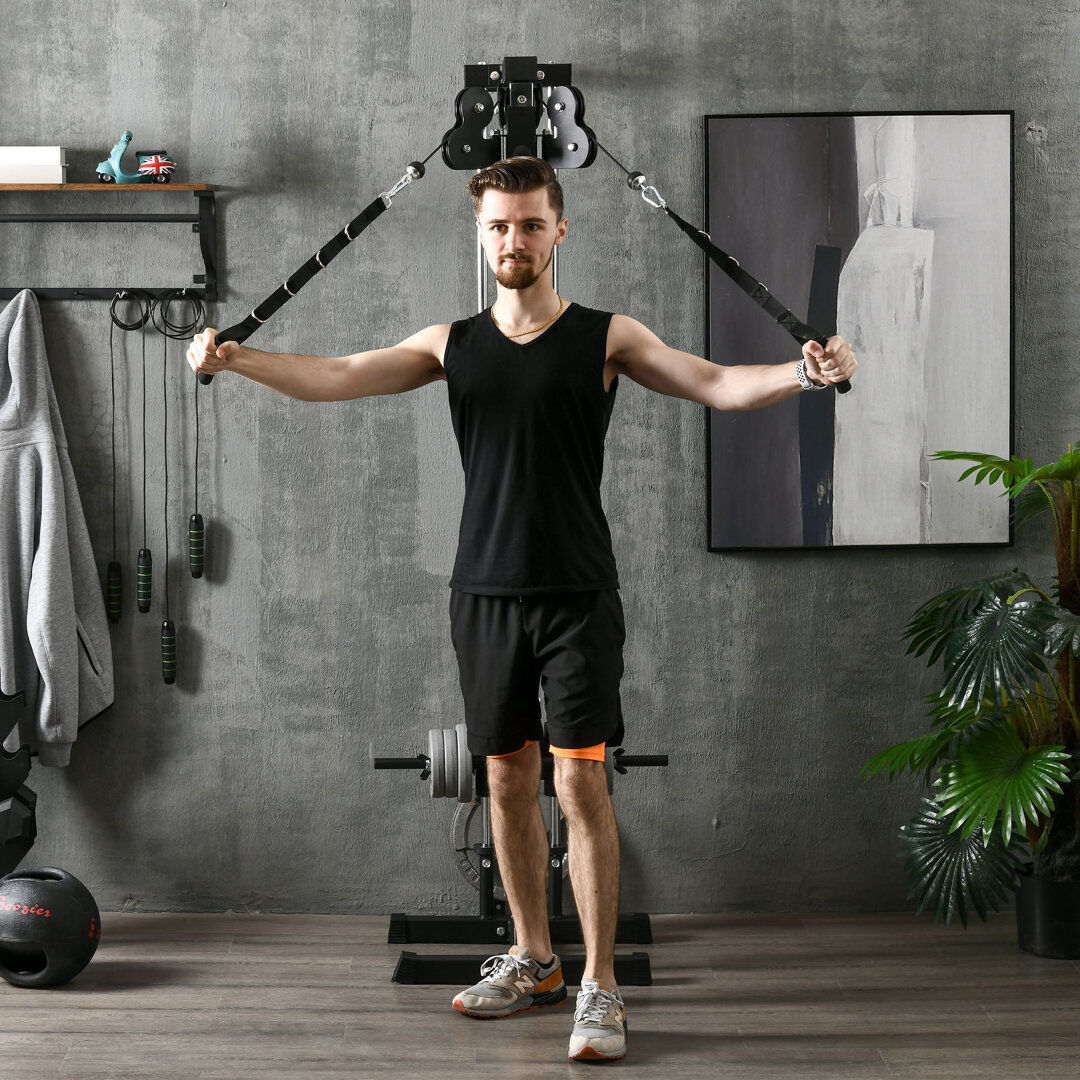
HOMCOM SPORTNOW Wall Mount Cable Station with 15 Positions Adjustable Dual PulleysOur weight cable pulley system lets you target multiple muscle groups by changing the height of the dual cable pulley system home gym; you can perform a wide range of bilateral and unilateral exercises to target every muscle group. Get the most out of upper body strength training by allocating gains to multiple groups with a simple adjustment. Designed with robust and load-bearing steel, SPORTNOW smith machine gives you the workout you need to meet your goals.- 15 adjustable positions dual pulley systems for a wide range of bilateral and unilateral muscle exercises; - Attached to the wall at the top and bottom for added support and stability; - Come with adaptors, compatible with both 2.5cm opening weight plates; - Made with great steel to provide a machine that won't quit; - Provide many ways for you to perform your back, arms, shoulder and chest;- Colour: Black; - Material: Steel; - Overall Dimension: 62L x 60W x 200H cm; - Pulley Height: 25-165 cm; - Hand Strap Longest Length: 290 cm; - Max Counterweight: 50 kg for a side, 100 kg in total; - Weight Capacity: 120 kg; - Item Label: A91-269V00BK; Tile Included: No. EU Economic Operator/Authorised Representative: Company Name: Aosom Ireland Limited Registered Address: Unit 605, Jordanstown Road, Greenogue Business Park, Rathcoole Contact Phone Number: 015568500 Email Address: service@aosom.ie. Commercial Warranty: No. UK General Product Safety Regulation: Yes. Flooring Length - End to End: 14. Supplier Intended and Approved Use: Residential Use. Flooring Width - Side to Side: 193. Flooring Thickness: 26.5. Durability: Rust Resistant, Scratch Resistant. REACH (Registration, Evaluation, Authorisation and Restriction of Chemicals) Compliant: No. Mounting / Installation Type: Loose Lay. EU General Product Safety Regulation: Yes. Reversible: No. Colour: Black. Outdoor Use: No. Product Type: Mat. Country of Origin: China. Material: Steel. BPA Free: No. Brand Name: HOMCOM.155,54 £*Shipping: 0,00 £Secure redirect to the provider
-
Brayden Studio SPORTNOW Home Gym Machine with High and Low Pulleys Pull Up Bar AdjustableOur multigym station equipment for home lets you target multiple muscle groups by changing the height of the dual pulley system, you can perform a wide range of bilateral and unilateral exercises to target every muscle group. Get the most out of upper body strength training by allocating gains to multiple groups with a simple adjustment. Designed with robust and load-bearing steel, SPORTNOW machine gives you the workout you need to meet your goals- 15 adjustable positions with dual pulley systems for various muscle exercises; - Includes high and low pulleys and a multi-grip pull-up station; - Compatible with 2.5 and 5 cm weight plates via adaptors; - Constructed from heavy-duty steel for durability; - Supports a variety of exercises for back, arms, shoulders and chest;- Colour: Black; - Material: Steel; - Overall Dimensions: 170L x 139W x 200H cm; - Pulley Height: 20-165 cm; - Max Counterweight: 50 kg for a side, 100 kg in total; - Leg Opening Width: 139 cm; - Weight Capacity: 120 kg; - Certification: EN20957; - Item Label: A91-268V00BK; Tile Included: No. EU Economic Operator/Authorised Representative: Company Name: Aosom Ireland Limited Registered Address: Unit 605, Jordanstown Road, Greenogue Business Park, Rathcoole Contact Phone Number: 015568500 Email Address: service@aosom.ie. Commercial Warranty: No. UK General Product Safety Regulation: Yes. Imported: Yes. Flooring Length - End to End: 11. Supplier Intended and Approved Use: Residential Use. Flooring Width - Side to Side: 198. Flooring Thickness: 18. Durability: Rust Resistant, Scratch Resistant. REACH (Registration, Evaluation, Authorisation and Restriction of Chemicals) Compliant: No. Mounting / Installation Type: Loose Lay. EU General Product Safety Regulation: Yes. Reversible: No. Colour: Black. Outdoor Use: No. Product Type: Mat. Country of Origin: China. Material: Steel. BPA Free: No. Brand Name: Brayden Studio.369,99 £*Shipping: 0,00 £Secure redirect to the provider
-
K'Nex Intro To Simple Machines Levers And Pulleys - Educational Toy for Kids - Ages 6 and Up - 100 Pieces - Basic FunIntroduce young learners to the fascinating world of science with the K'Nex Intro To Simple Machines: Levers And Pulleys set. This engaging K'Nex set is perfect for parents, educators, and children who want to explore essential engineering concepts through hands-on activities. With a focus on creativity and critical thinking, this educational toy is a valuable addition to any learning environment. The set encourages children to engage with science through play, fostering creativity by allowing kids to build and experiment with different designs. Made from high-quality, non-toxic plastic, the set is safe for use. An easy-to-follow instruction booklet is included for a seamless building experience. The K'Nex Intro To Simple Machines: Levers And Pulleys set introduces key concepts of levers and pulleys, making learning enjoyable and interactive.25,86 £*Shipping: 3,95 £Secure redirect to the provider
-
K'NEX Education STEM Explorations Levers & Pulleys Building Set - 139-Piece Construction Toy for Kids - Ages 6-12 - STEM Learning KitExplore the science of simple machines with the K'NEX Education STEM Explorations Levers and Pulleys Building Set. This hands-on construction kit combines creative building with practical STEM learning, helping children understand how everyday mechanical systems work. Using the colourful K'NEX rods, connectors, and specialist components, children can build three fully functioning models: a balance, a wheelbarrow, and a sailboat. Each model demonstrates different principles, giving young learners the opportunity to investigate lever classes, pulley systems, resistance, effort, and mechanical advantage in an engaging way. The set contains 139 pieces and is suitable for one child or a team of two. Once the models are built, three follow-up experiments encourage children to test, compare, and adjust their designs. The accompanying step-by-step instructions and experiment guidance support independent learning, home education, and classroom activities.9,60 £*Shipping: 3,95 £Secure redirect to the provider
-
What are pulleys?
Pulleys are simple machines that consist of a wheel with a groove around its circumference and a rope or belt that runs along the groove. They are used to lift or move heavy objects by applying force to the rope or belt. By using multiple pulleys in a system, the amount of force needed to lift an object can be reduced, making it easier to move heavy loads. Pulleys are commonly used in various applications such as construction, transportation, and manufacturing. **
-
Search for toothed belt pulleys (idler) and not for pulleys.
When searching for toothed belt pulleys (idler), it is important to specify "idler" to ensure that the search results are relevant to the specific type of pulley needed for a toothed belt system. Idler pulleys are designed to guide and tension the toothed belt, and they have a smooth surface to minimize wear on the belt. By including "idler" in the search, you can find the appropriate pulleys for your toothed belt system, rather than general pulleys which may not be suitable for this specific application. **
-
What is the formula for pulleys in physics?
The formula for pulleys in physics is based on the principle of mechanical advantage, which is the ratio of the output force to the input force. The formula for calculating the mechanical advantage of a pulley system is MA = (F_out) / (F_in), where MA is the mechanical advantage, F_out is the output force, and F_in is the input force. This formula helps to determine how much the force is amplified or reduced when using a pulley system. **
-
Where do fixed and loose pulleys occur in physics?
Fixed and loose pulleys occur in physics in the context of simple machines and mechanical systems. Fixed pulleys are used to change the direction of a force, while loose pulleys are used to create mechanical advantage by increasing the force applied. Both types of pulleys are commonly found in systems such as elevators, cranes, and conveyor belts to help with lifting and moving heavy objects. **
Similar search terms for Pulleys
-
Usborne Publishing Ltd Usborne Beginners History & Usborne Beginners Nature 20 Books Collection Box SetTitles in this set: Usborne Beginners History Stone Age Iron Age Egyptians Ancient Greeks Celts Romans The Maya Vikings Castles Digging Up the Past. Usborne Beginners Nature Reptiles Tadpoles and Frogs Rainforest Trees How Flowers Grow Caterpillars and Butterflies Spiders Bugs Bees & Wasps Ants Description Stone Age This simple information book follows the history of Stone Age people and how they lived. Iron Age This simple information book charts the history of Iron Age people and how they lived, including their farming methods, the gods they prayed to and the hill forts where they lived. Egyptians Who were the ancient Egyptians? Why did they build pyramids and how were mummies made? Ancient Greeks Find out about Ancient Greece, what people wore, ate and did for fun and learn about some of the most famous philosophers and mathematicians of the age in this compelling book for beginner readers. Celts Who were the Celts exactly? Did you know they lived on top of hills? Do you have any idea how Celtic warriors made themselves look really scary in battle? Romans Who were the ancient Romans? Where did they go to eat, shop and wash? What did they do for fun? The Maya Who were the Maya? Where did they live? Why did they build tall stone temples? Vikings Find out what it was like to be a Viking, and learn about Viking homes, feasts, boats, gods and much more in this fascinating book. Castles Who lived in a castle, and what was it like? Children can find out the answers to these questions and lots more about the wonderful world of castles in this informative book. Digging Up the Past How do ancient things get buried? Who digs them up? And what do they find? Beginner readers can find answers to these questions and more in this colourful information book. Reptiles This is a fantastic brand new addition to the "Beginners" series, designed to provide an informative introduction to trees and plant-life for young readers. Tadpoles and Frogs Vivid, full colour illustrations and photographs on every page, accompanied by short, informative text. Rainforest It offers a terrific reading practice for children who prefer fact to fiction. It is developed with a reading expert from Roehampton University to help young readers grow in confidence. Trees This is a fantastic brand new addition to the 'Beginners' series, designed to provide an informative introduction to trees and plant-life for young readers. How Flowers Grow How do flowers grow in dry deserts? How do animals help to spread seeds? Which flower smells like rottng meat? Caterpillars and Butterflies Usborne Beginners are colourful information books for children beginning to read on their own. Spiders Usborne Beginners are colourful information books for children beginning to read on their own. Bugs Usborne Beginners are colourful information books for children beginning to read on their own. Bees & Wasps A slim and unintimidating book which belies its contents - a wealth of information, much of which will be...34,99 £*Shipping: 2,99 £Secure redirect to the provider
-
Usborne Beginners Nature, Science & History Collection 30 Books Set - Ages 4-10 - Paperback Usborne Publishing LtdTitles in This Set: Usborne Beginners Nature 10 Books: 1. Ants 2. Bees & Wasps 3. Bugs 4. Spiders 5. Tadpoles and Frogs 6. Caterpillars and Butterflies 7. How Flowers Grow 8. Trees 9. Rainforest 10. Reptiles Usborne Beginners Science 10 Books: 1. Earthquakes & Tsunamis 2. Sun Moon and Stars 3. Living in Space 4. Storms and Hurricanes 5. Volcanoes 6. Astronomy 7. The Solar System 8. Your Body 9. Planet Earth 10. Weather Usborne Beginners History 10 Books: Titles in This Set: 1. Ancient Greeks 2. Castles 3. Celts 4. Digging Up the Past 5. Egyptians 6. Iron Age 7. Maya 8. Romans 9. Stone Age 10. Vikings Description : Usborne Beginners Nature 10 Books Ants Where do ants live? What do they eat? How much weight can they carry? Little children can find out the answers to these questions and much more in this simple introduction to the world of ants. Bees & Wasps What do bees and wasps eat? What type of nests do they make? How do bees make honey? Find out the answers and lots more in this intriguing introduction to the fascinating world of bees and wasps. Bugs ''There are all kinds of different bugs. Some can jump up high. Other bugs have lots of legs.” Bugs is part of an exciting reading series for young children, with lots of pictures and very simple text. Spiders “Spiders have eight legs. Most of them have eight eyes, but some of them can’t see very well.” Learn all about spiders in this great book for children learning to read by themselves. Tadpoles and Frogs From egg to frog, find out about the entire life cycle of a frog in this easy-to-read fully illustrated book for young learners ages 4+. It comes complete with weblinks so you can see the process for yourself. Caterpillars and Butterflies A beautifully illustrated introduction to the life of butterflies and caterpillars, with easy to read text for beginner readers. The life cycle of a butterfly is shown with stunning photographs and illustrations, and there are links to carefully selected websites with videos that show butterflies emerging from their pupae. How Flowers Grow How do flowers grow in dry deserts? How do animals help to spread seeds? Which flower smells like rotting meat? Find out in this great book for young readers ages four and up. Trees How do trees use their leaves to make food? Why do they grow flowers and fruit? Which animals live inside a tree trunk and build nests in its branches? How can we help to protect trees? This book has all the answers and much more, along with photographs, step-by-step illustrations, simple text and links to websites with video clips and activities. Rainforests Learn all about the rainforest in this fantastic easy-to-read book for children 4+ beginning to strike out on their own. From towering trees to rainforest rivers, this fully-illustrated book also features links to carefully selected websites. Reptiles Learn all about the lizard world in this fully-illustrated guide, the latest in the Usborne Beginners series. From scaly skin to tongue tricks...42,75 £*Shipping: 0,00 £Secure redirect to the provider
-
Usborne Beginners Series – 30 Book Collection Box Set Children’s Educational Books (History, Nature & Science) KS1 KS2Usborne Beginners Series 30 Books Collection Box Set (History- Nature- Science) Build a strong foundation in knowledge and reading with the Usborne Beginners Series – 30 Books Collection Box Set, published by Usborne. This comprehensive educational collection introduces children to a wide range of topics across history, science, and nature, using clear language, engaging illustrations, and structured layouts designed for young learners. Perfectly suited for KS1 and KS2 pupils, these books support both curriculum learning and independent reading. From natural disasters and wildlife to historical events and scientific discoveries, the series encourages curiosity, critical thinking, and a love of learning. Description Titles in this set: History Stone Age Iron Age Egyptians Ancient Greeks Celts Romans The Maya Vikings Castles Digging Up the Past Nature Reptiles Tadpoles and Frogs Rainforest Trees How Flowers Grow Caterpillars and Butterflies Spiders Bugs Bees & Wasps Ants Science Earthquakes & Tsunamis Sun Moon and Stars Living in Space Storms and Hurricanes Volcanoes Astronomy The Solar System Your Body Planet Earth Weather Related Tags: Usborne, Usbourne42,75 £*Shipping: 0,00 £Secure redirect to the provider
-
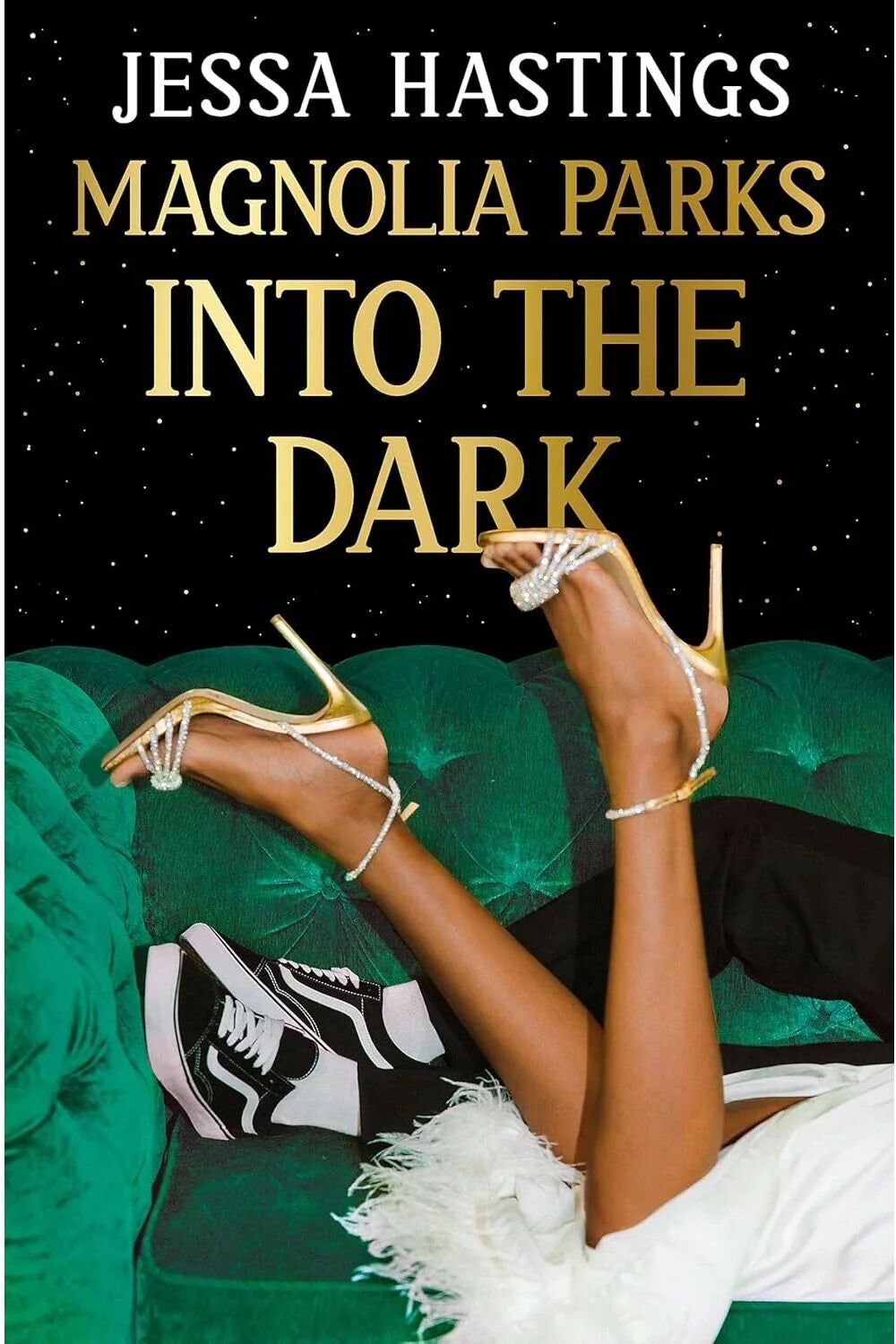
Orion Magnolia Parks: Into the Dark by Jessa Hastings - Book 5 Magnolia Parks Universe - Contemporary Romance Paperback -Get lost in the addictive world of Jessa Hastings' Magnolia Parks Universe with book five, Into the Dark. This contemporary romance novel follows Magnolia and BJ as they face a devastating loss while planning their high-profile wedding. As family tensions rise and secrets resurface, they must decide if their love can survive the darkest chapter of their story yet. A brand new paperback edition, perfect for fans of glamorous, emotionally charged romance. Jessa Hastings weaves high-society glamour with raw, intimate vulnerability, exploring the complexities of relationships and the power of love to overcome adversity. Following on from Magnolia Parks, Daisy Haites, Magnolia Parks: The Long Way Home and Daisy Haites: The Great Undoing, Into the Dark is a gripping addition to the series, sure to captivate readers with its relatable characters and engaging storyline.8,99 £*Shipping: 2,99 £Secure redirect to the provider
-
How many pulleys does a block and tackle have?
A block and tackle typically consists of two or more pulleys. The number of pulleys in a block and tackle system can vary depending on the specific design and configuration. However, the most common type of block and tackle has two pulleys, with one fixed and one movable pulley. **
-
How can one increase speed using pulleys and similar mechanisms?
One can increase speed using pulleys and similar mechanisms by increasing the number of pulleys in the system. By adding more pulleys, the force required to lift an object is distributed among multiple ropes, reducing the overall effort needed. Additionally, using smaller pulleys can also increase speed as they provide a mechanical advantage, allowing for faster movement with less force. Properly lubricating the pulleys and ropes can also help reduce friction and increase speed in the system. **
-
How can speed be increased using pulleys and similar mechanisms?
Speed can be increased using pulleys and similar mechanisms by increasing the number of pulleys in the system. By adding more pulleys, the amount of force required to lift an object is distributed among the pulleys, reducing the overall effort needed. Additionally, using smaller pulleys can increase the speed as they have a smaller radius, which results in a greater speed ratio. Lastly, using materials with low friction properties, such as lubricated bearings, can also help increase the speed of the system. **
-
How can one increase speed through pulleys and similar mechanisms?
One can increase speed through pulleys and similar mechanisms by using smaller pulleys or gears on the driving side and larger pulleys or gears on the driven side. This creates a mechanical advantage, allowing for higher speeds to be achieved. Additionally, reducing friction by using high-quality bearings and lubricants can help increase speed. Lastly, ensuring that the pulleys or gears are properly aligned and tensioned will also help optimize speed and efficiency. **
* All prices are inclusive of VAT and, if applicable, plus shipping costs. The offer information is based on the details provided by the respective shop and is updated through automated processes. Real-time updates do not occur, so deviations can occur in individual cases. ** Note: Parts of this content were created by AI.