Buy frohnau.eu ?
We are moving the project
frohnau.eu .
Are you interested in purchasing the domain
frohnau.eu ?
domain@kv-gmbh.de · 0541-91531010
Buy frohnau.eu ?
Where does nature store the toxic substances PFAS?
PFAS (per- and polyfluoroalkyl substances) are stored in the environment in various ways. They can accumulate in the soil, water, and air due to their persistence and mobility. In the soil, PFAS can bind to organic matter and accumulate in the sediment of bodies of water. They can also bioaccumulate in the tissues of plants and animals. Additionally, PFAS can be transported through the atmosphere and deposited in remote areas far from their original source. Overall, nature stores PFAS in various environmental compartments, making them widespread and challenging to remediate. **
What are PFAS chemicals?
PFAS, or per- and polyfluoroalkyl substances, are a group of man-made chemicals that have been widely used in various industrial and consumer products since the 1940s. They are known for their water and oil repellent properties, and are commonly found in products such as non-stick cookware, food packaging, stain-resistant fabrics, and firefighting foams. PFAS chemicals are concerning because they are persistent in the environment, can accumulate in the human body, and have been linked to various health issues including cancer, immune system dysfunction, and reproductive problems. Due to their widespread use and potential health risks, there is growing concern and regulatory action to address PFAS contamination and exposure. **


Similar search terms for Pfas
Top-Angebote
Products related to Pfas:
-
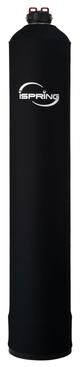
iSpring WF1054 Whole House Water Filter, Reduces PFAS & ChlorineSuperior Water Filtration Technology: Harness the potential of the iSpring WF1054 whole house water filtration system, uniting high-quality KDF and coconut shell activated carbon.1273,99 $*Shipping: 0,00 $Secure redirect to the provider
-
iSpring WF1024 Whole House Water Filter, Reduces PFAS & ChlorineCutting-Edge Water Filtration: Encounter the exceptional iSpring WF1024 whole house water filtration system, integrating the potent combination of premium KDF and coconut shell activated carbon.812,49 $*Shipping: 0,00 $Secure redirect to the provider
-
Zojirushi-ZUTTO® Coffee Maker (No PFAS) EC-DAC50Zojirushi-ZUTTO Coffee Maker features a removable water tank and water filter that lasts up to 2 years under normal use for clean operation. It brews up to 5 cups of coffee and features automatic keep warm.95,49 $*Shipping: 0,00 $Secure redirect to the provider
-
Zojirushi Home Bakery Virtuoso® Plus Breadmaker (PFAS Free)The Home Bakery Virtuoso Plus Breadmaker bakes a traditional-shaped 2-lb. loaf of bread automatically. Dual kneading blades and additional heater on the lid ensures thorough kneading and even baking.499,99 $*Shipping: 0,00 $Secure redirect to the provider



-
Does PTFE belong to the PFAS?
Yes, PTFE (polytetrafluoroethylene) belongs to the class of PFAS (per- and polyfluoroalkyl substances). PFAS are a group of man-made chemicals that are widely used in various industrial and consumer products due to their water and oil repellent properties. PTFE is commonly known for its use in non-stick cookware, waterproof clothing, and as a coating for food packaging. However, it is important to note that not all PFAS chemicals are the same, and their potential health and environmental impacts can vary. **
-
Why are PFAS not harmful in products, but harmful in the environment?
PFAS are not harmful in products because they are designed to be stable and resistant to heat, water, and oil, making them useful in a wide range of consumer products. However, when these products are disposed of or released into the environment, PFAS can accumulate in soil, water, and wildlife, leading to long-lasting contamination. In the environment, PFAS can bioaccumulate in organisms, potentially causing harmful effects on ecosystems and human health. **
-
What is a therapeutic residential community (WG) 2?
A therapeutic residential community (WG) 2 is a supportive living environment designed to provide therapy and support for individuals dealing with mental health or substance abuse issues. It offers a structured and safe space for residents to work on their recovery, learn coping skills, and build a support network. The community typically includes a team of mental health professionals, counselors, and peers who work together to create a healing and nurturing environment. Residents are encouraged to participate in group therapy, individual counseling, and various activities aimed at promoting personal growth and well-being. **
-
What is a therapeutic residential community (WG) number 3?
Therapeutic residential community (WG) number 3 is a type of residential treatment program that provides a therapeutic environment for individuals who are struggling with mental health issues, substance abuse, or other behavioral challenges. These communities offer a structured and supportive living environment where residents can receive therapy, counseling, and support from trained professionals. The goal of WG number 3 is to help residents develop coping skills, build healthy relationships, and work towards recovery and stability. This type of program often includes a combination of individual and group therapy, life skills training, and recreational activities to support the overall well-being of residents. **


What is the constructive nature of history?
The constructive nature of history refers to the way in which our understanding and interpretation of historical events and figures can shape our present and future. By studying history, we can learn from past mistakes and successes, and use that knowledge to build a better future. History also helps us understand the complexities of human societies and the interconnectedness of different cultures and civilizations. Ultimately, the constructive nature of history lies in its ability to provide valuable lessons and insights that can inform our decisions and actions in the present and future. **
How long does one typically stay in a therapeutic residential community?
The length of stay in a therapeutic residential community can vary depending on the individual's needs and progress. Typically, individuals stay in these communities for several weeks to several months. Some programs may have a minimum stay requirement to ensure that individuals have enough time to work through their issues and make progress towards their treatment goals. Ultimately, the length of stay is determined by the individual's treatment plan and their progress in therapy. **
Top-Angebote
Products related to Pfas:
-
iSpring WCF200K Whole House Water Filter, Reduces Chlorine & PFASAdvanced Filter Media: Utilizes premium KDF55 and high quality coconut shell activated carbon to effectively remove chlorine, lead, heavy metals, PFAS, chloramine, radon, herbicides, and more.3329,99 $*Shipping: 0,00 $Secure redirect to the provider
-
iSpring WF1054 Whole House Water Filter, Reduces PFAS & ChlorineSuperior Water Filtration Technology: Harness the potential of the iSpring WF1054 whole house water filtration system, uniting high-quality KDF and coconut shell activated carbon.1273,99 $*Shipping: 0,00 $Secure redirect to the provider
-
iSpring WF1024 Whole House Water Filter, Reduces PFAS & ChlorineCutting-Edge Water Filtration: Encounter the exceptional iSpring WF1024 whole house water filtration system, integrating the potent combination of premium KDF and coconut shell activated carbon.812,49 $*Shipping: 0,00 $Secure redirect to the provider
-
Where does nature store the toxic substances PFAS?
PFAS (per- and polyfluoroalkyl substances) are stored in the environment in various ways. They can accumulate in the soil, water, and air due to their persistence and mobility. In the soil, PFAS can bind to organic matter and accumulate in the sediment of bodies of water. They can also bioaccumulate in the tissues of plants and animals. Additionally, PFAS can be transported through the atmosphere and deposited in remote areas far from their original source. Overall, nature stores PFAS in various environmental compartments, making them widespread and challenging to remediate. **
-
What are PFAS chemicals?
PFAS, or per- and polyfluoroalkyl substances, are a group of man-made chemicals that have been widely used in various industrial and consumer products since the 1940s. They are known for their water and oil repellent properties, and are commonly found in products such as non-stick cookware, food packaging, stain-resistant fabrics, and firefighting foams. PFAS chemicals are concerning because they are persistent in the environment, can accumulate in the human body, and have been linked to various health issues including cancer, immune system dysfunction, and reproductive problems. Due to their widespread use and potential health risks, there is growing concern and regulatory action to address PFAS contamination and exposure. **
-
Does PTFE belong to the PFAS?
Yes, PTFE (polytetrafluoroethylene) belongs to the class of PFAS (per- and polyfluoroalkyl substances). PFAS are a group of man-made chemicals that are widely used in various industrial and consumer products due to their water and oil repellent properties. PTFE is commonly known for its use in non-stick cookware, waterproof clothing, and as a coating for food packaging. However, it is important to note that not all PFAS chemicals are the same, and their potential health and environmental impacts can vary. **
-
Why are PFAS not harmful in products, but harmful in the environment?
PFAS are not harmful in products because they are designed to be stable and resistant to heat, water, and oil, making them useful in a wide range of consumer products. However, when these products are disposed of or released into the environment, PFAS can accumulate in soil, water, and wildlife, leading to long-lasting contamination. In the environment, PFAS can bioaccumulate in organisms, potentially causing harmful effects on ecosystems and human health. **
Similar search terms for Pfas
-
Zojirushi-ZUTTO® Coffee Maker (No PFAS) EC-DAC50Zojirushi-ZUTTO Coffee Maker features a removable water tank and water filter that lasts up to 2 years under normal use for clean operation. It brews up to 5 cups of coffee and features automatic keep warm.95,49 $*Shipping: 0,00 $Secure redirect to the provider
-
Zojirushi Home Bakery Virtuoso® Plus Breadmaker (PFAS Free)The Home Bakery Virtuoso Plus Breadmaker bakes a traditional-shaped 2-lb. loaf of bread automatically. Dual kneading blades and additional heater on the lid ensures thorough kneading and even baking.499,99 $*Shipping: 0,00 $Secure redirect to the provider
-
Alva Neat 5-Piece Recycled Aluminum Nonstick Cookware Set, PFAS FreeExperience the perfect blend of innovation, convenience, and sustainability with Alva cookware. Designed for modern kitchens, our cookware offers excellent neatability, preventing scratches when stacked.239,00 $*Shipping: 0,00 $Secure redirect to the provider
-
What is a therapeutic residential community (WG) 2?
A therapeutic residential community (WG) 2 is a supportive living environment designed to provide therapy and support for individuals dealing with mental health or substance abuse issues. It offers a structured and safe space for residents to work on their recovery, learn coping skills, and build a support network. The community typically includes a team of mental health professionals, counselors, and peers who work together to create a healing and nurturing environment. Residents are encouraged to participate in group therapy, individual counseling, and various activities aimed at promoting personal growth and well-being. **
-
What is a therapeutic residential community (WG) number 3?
Therapeutic residential community (WG) number 3 is a type of residential treatment program that provides a therapeutic environment for individuals who are struggling with mental health issues, substance abuse, or other behavioral challenges. These communities offer a structured and supportive living environment where residents can receive therapy, counseling, and support from trained professionals. The goal of WG number 3 is to help residents develop coping skills, build healthy relationships, and work towards recovery and stability. This type of program often includes a combination of individual and group therapy, life skills training, and recreational activities to support the overall well-being of residents. **
-
What is the constructive nature of history?
The constructive nature of history refers to the way in which our understanding and interpretation of historical events and figures can shape our present and future. By studying history, we can learn from past mistakes and successes, and use that knowledge to build a better future. History also helps us understand the complexities of human societies and the interconnectedness of different cultures and civilizations. Ultimately, the constructive nature of history lies in its ability to provide valuable lessons and insights that can inform our decisions and actions in the present and future. **
-
How long does one typically stay in a therapeutic residential community?
The length of stay in a therapeutic residential community can vary depending on the individual's needs and progress. Typically, individuals stay in these communities for several weeks to several months. Some programs may have a minimum stay requirement to ensure that individuals have enough time to work through their issues and make progress towards their treatment goals. Ultimately, the length of stay is determined by the individual's treatment plan and their progress in therapy. **
* All prices are inclusive of VAT and, if applicable, plus shipping costs. The offer information is based on the details provided by the respective shop and is updated through automated processes. Real-time updates do not occur, so deviations can occur in individual cases. ** Note: Parts of this content were created by AI.