Buy frohnau.eu ?
We are moving the project
frohnau.eu .
Are you interested in purchasing the domain
frohnau.eu ?
domain@kv-gmbh.de · 0541-91531010
Buy frohnau.eu ?
What are magnification spots?
Magnification spots are areas on a microscope slide where the specimen appears larger than the surrounding areas. These spots can occur due to uneven distribution of the specimen on the slide, uneven thickness of the specimen, or uneven lighting. Magnification spots can make it difficult to accurately observe and analyze the specimen, so it is important to carefully prepare and position the specimen on the slide to minimize their occurrence. **
What does 8x magnification mean?
8x magnification means that the object being viewed through the binoculars or telescope will appear 8 times larger than it would to the naked eye. This means that distant objects will appear closer and more detailed, making it easier to see fine details and observe distant subjects. It is a measure of how much closer the object will appear when viewed through the lens. **

Similar search terms for Magnification
Top-Angebote
Products related to Magnification:
-
Drop Dash Deals Bird Listening Device With Range Magnification Bionic Ear Sound Recorder Bird Listening Device With Range Magnification Bionic Ear Sound RecorderUnlock the wonders of nature with the 1 pc of Bird Listening Devicean essential tool for birdwatchers, nature enthusiasts, and anyone fascinated by the sounds of the wild. Whether you're observing birds in your backyard or exploring deeper into...115,97 $*Shipping: 0,00 $Secure redirect to the provider
-
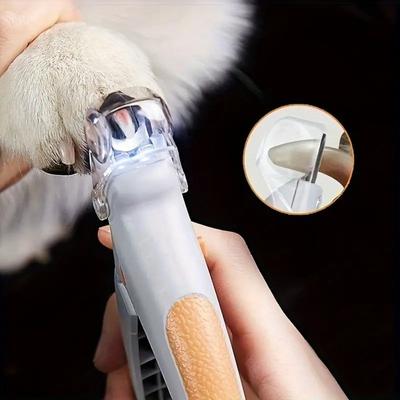
Happy Pet Pantry LED Pet Nail Clippers With Magnification Safe Dog & Cat Nail Trimmer LED Pet Nail Clippers With Magnification Safe Dog & Cat Nail TrimmerFeel the relief of stressfree grooming with a tool designed for confident, safe trimming at home. These LED pet nail clippers bring clear visibility and precision together so you never guess where to cut. Built for pet lovers who want a safer,...41,97 $*Shipping: 0,00 $Secure redirect to the provider
-
Learning Resources GeoSafari Jr. Rocknoculars for Kids - 2x Magnification Binoculars for Kids - 2xUnleash your child's curiosity with the GeoSafari Jr. Rocknoculars for Kids from Learning Resources. These fun and educational binoculars are perfect for little explorers eager to discover the wonders of nature. Designed specifically for small hands, the Rocknoculars feature a kid-friendly design that's lightweight and easy to hold, ensuring comfort during outdoor adventures. They also offer 2x magnification, ideal for viewing distant objects up close, and a built-in carrying strap for easy transport. Whether it's for imaginative play or a thoughtful gift, these Rocknoculars will inspire hours of exploration and learning. They're ideal for nature walks, camping trips, or backyard adventures, and help children develop a love for the great outdoors while enhancing their observational skills.13,08 £*Shipping: 3,95 £Secure redirect to the provider
-
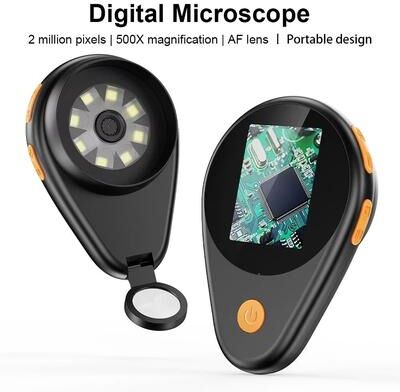
Uplift Essentials Auto Focus Digital Microscope 500x Magnification 2MP Portable Lens High Yield Jewelry & Watch Repair Hub Auto Focus Digital Microscope 500x Magnification 2MP Portable Lens High Yield Jewelry & Watch Repair HubAchieve visual optimization with the Auto Focus Digital Microscope. Specifically engineered for imaging transparency, this highperformance optical tool acts as a vital tool for inspection efficiency, neutralizing the limitations of traditional...129,97 $*Shipping: 0,00 $Secure redirect to the provider


-
Why can I see paramecia well at 8x magnification, but not at 20x magnification?
At 8x magnification, the field of view is larger, allowing you to see more paramecia at once. However, at 20x magnification, the field of view is smaller, making it more difficult to locate and focus on individual paramecia. Additionally, higher magnification can sometimes result in a narrower depth of field, making it harder to keep the paramecia in focus. **
-
Why can I see slipper animalcules well at 8x magnification, but not at 20x magnification?
Slipper animalcules are larger microorganisms, so they may be more easily visible at a lower magnification such as 8x. At 20x magnification, the field of view becomes smaller, making it harder to locate and focus on the slipper animalcules. Additionally, higher magnification can sometimes result in a narrower depth of field, making it more challenging to keep the slipper animalcules in focus. **
-
How is the magnification factor determined?
The magnification factor is determined by dividing the focal length of the lens by the focal length of the eyepiece being used. This calculation gives the overall magnification of the telescope. For example, if a telescope has a focal length of 1000mm and an eyepiece with a focal length of 10mm is used, the magnification factor would be 100x (1000mm / 10mm = 100x). This factor indicates how much larger an object will appear when viewed through the telescope. **
-
Which binoculars have a good magnification?
The binoculars with a magnification of 10x or higher are generally considered to have good magnification. These binoculars provide a strong level of magnification, allowing you to see distant objects with great clarity and detail. However, it's important to keep in mind that higher magnification can also lead to a narrower field of view and can make the image appear shakier if not properly stabilized. Therefore, it's important to consider your specific needs and uses for the binoculars when determining the ideal magnification for your purposes. **

At what magnification are satellites visible?
Satellites are typically visible at a magnification of around 10x to 20x using a good pair of binoculars. At this magnification, you can see the glint of sunlight reflecting off the satellite as it moves across the sky. However, the exact magnification needed to see a satellite can vary depending on its altitude, size, and the lighting conditions. **
What is the magnification of eyepieces?
The magnification of eyepieces refers to the degree to which they enlarge the image seen through a microscope or telescope. It is determined by the focal length of the eyepiece and the focal length of the objective lens. The magnification of an eyepiece is typically marked on the eyepiece itself, and it is often adjustable by changing the distance between the eyepiece and the objective lens. Higher magnification eyepieces allow for a closer and more detailed view of the object being observed. **
Top-Angebote
Products related to Magnification:
-
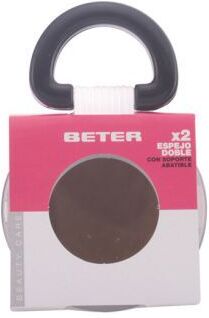
Beter Normal and Small Magnification Double MirrorHealth and Beauty Brushes and Accessories Beter Normal and Small Magnification Double Mirror It offers two viewing surfaces, one normal and one magnified. Very practical due to its folding stand and small size. Diameter 9 cm.3,39 £*Shipping: 3,99 £Secure redirect to the provider
-
Beter Ohh! Pocket Flash with Light and Fuchsia MagnificationHealth and Beauty Brushes and Accessories Beter Ohh! Pocket Flash with Light and Fuchsia Magnification Open, turn on, look: not a detail will escape you. Its macro side x10 and the LED light allow you the maximum precision when waxing or applying make-up. The normal viewing side is perfect for finishing touches. Your magic mirror to carry with you always. -x10 / Normal -On/Off -2 CR2032 batteries8,57 £*Shipping: 3,99 £Secure redirect to the provider
-
Drop Dash Deals Bird Listening Device With Range Magnification Bionic Ear Sound Recorder Bird Listening Device With Range Magnification Bionic Ear Sound RecorderUnlock the wonders of nature with the 1 pc of Bird Listening Devicean essential tool for birdwatchers, nature enthusiasts, and anyone fascinated by the sounds of the wild. Whether you're observing birds in your backyard or exploring deeper into...115,97 $*Shipping: 0,00 $Secure redirect to the provider
-
Happy Pet Pantry LED Pet Nail Clippers With Magnification Safe Dog & Cat Nail Trimmer LED Pet Nail Clippers With Magnification Safe Dog & Cat Nail TrimmerFeel the relief of stressfree grooming with a tool designed for confident, safe trimming at home. These LED pet nail clippers bring clear visibility and precision together so you never guess where to cut. Built for pet lovers who want a safer,...41,97 $*Shipping: 0,00 $Secure redirect to the provider
-
What are magnification spots?
Magnification spots are areas on a microscope slide where the specimen appears larger than the surrounding areas. These spots can occur due to uneven distribution of the specimen on the slide, uneven thickness of the specimen, or uneven lighting. Magnification spots can make it difficult to accurately observe and analyze the specimen, so it is important to carefully prepare and position the specimen on the slide to minimize their occurrence. **
-
What does 8x magnification mean?
8x magnification means that the object being viewed through the binoculars or telescope will appear 8 times larger than it would to the naked eye. This means that distant objects will appear closer and more detailed, making it easier to see fine details and observe distant subjects. It is a measure of how much closer the object will appear when viewed through the lens. **
-
Why can I see paramecia well at 8x magnification, but not at 20x magnification?
At 8x magnification, the field of view is larger, allowing you to see more paramecia at once. However, at 20x magnification, the field of view is smaller, making it more difficult to locate and focus on individual paramecia. Additionally, higher magnification can sometimes result in a narrower depth of field, making it harder to keep the paramecia in focus. **
-
Why can I see slipper animalcules well at 8x magnification, but not at 20x magnification?
Slipper animalcules are larger microorganisms, so they may be more easily visible at a lower magnification such as 8x. At 20x magnification, the field of view becomes smaller, making it harder to locate and focus on the slipper animalcules. Additionally, higher magnification can sometimes result in a narrower depth of field, making it more challenging to keep the slipper animalcules in focus. **
Similar search terms for Magnification
-
Learning Resources GeoSafari Jr. Rocknoculars for Kids - 2x Magnification Binoculars for Kids - 2xUnleash your child's curiosity with the GeoSafari Jr. Rocknoculars for Kids from Learning Resources. These fun and educational binoculars are perfect for little explorers eager to discover the wonders of nature. Designed specifically for small hands, the Rocknoculars feature a kid-friendly design that's lightweight and easy to hold, ensuring comfort during outdoor adventures. They also offer 2x magnification, ideal for viewing distant objects up close, and a built-in carrying strap for easy transport. Whether it's for imaginative play or a thoughtful gift, these Rocknoculars will inspire hours of exploration and learning. They're ideal for nature walks, camping trips, or backyard adventures, and help children develop a love for the great outdoors while enhancing their observational skills.13,08 £*Shipping: 3,95 £Secure redirect to the provider
-
Uplift Essentials Auto Focus Digital Microscope 500x Magnification 2MP Portable Lens High Yield Jewelry & Watch Repair Hub Auto Focus Digital Microscope 500x Magnification 2MP Portable Lens High Yield Jewelry & Watch Repair HubAchieve visual optimization with the Auto Focus Digital Microscope. Specifically engineered for imaging transparency, this highperformance optical tool acts as a vital tool for inspection efficiency, neutralizing the limitations of traditional...129,97 $*Shipping: 0,00 $Secure redirect to the provider
-
GeoSafari Microscope Science Set for Kids - 50x-400x Magnification - Includes Prepared Slides and Activity JournalExplore science up close with the GeoSafari Microscope Science Set. This practical introduction to observing specimens and carrying out simple experiments is perfect for young scientists. With magnification from 50x to 400x, children can examine the included prepared slides before creating their own samples. The set includes a GeoSafari microscope, an activity journal with an experiment guide, 10 prepared slides, 5 blank slides, 10x and 20x magnifying eyepieces, a petri dish, pipette, and test tube with stopper. This hands-on exploration set supports learning by doing and is designed for children aged 7 and over. It introduces laboratory equipment in an accessible way. The microscope requires 2 AAA batteries, which are not included. The activity journal and packaging are multilingual.26,49 £*Shipping: 3,95 £Secure redirect to the provider
-
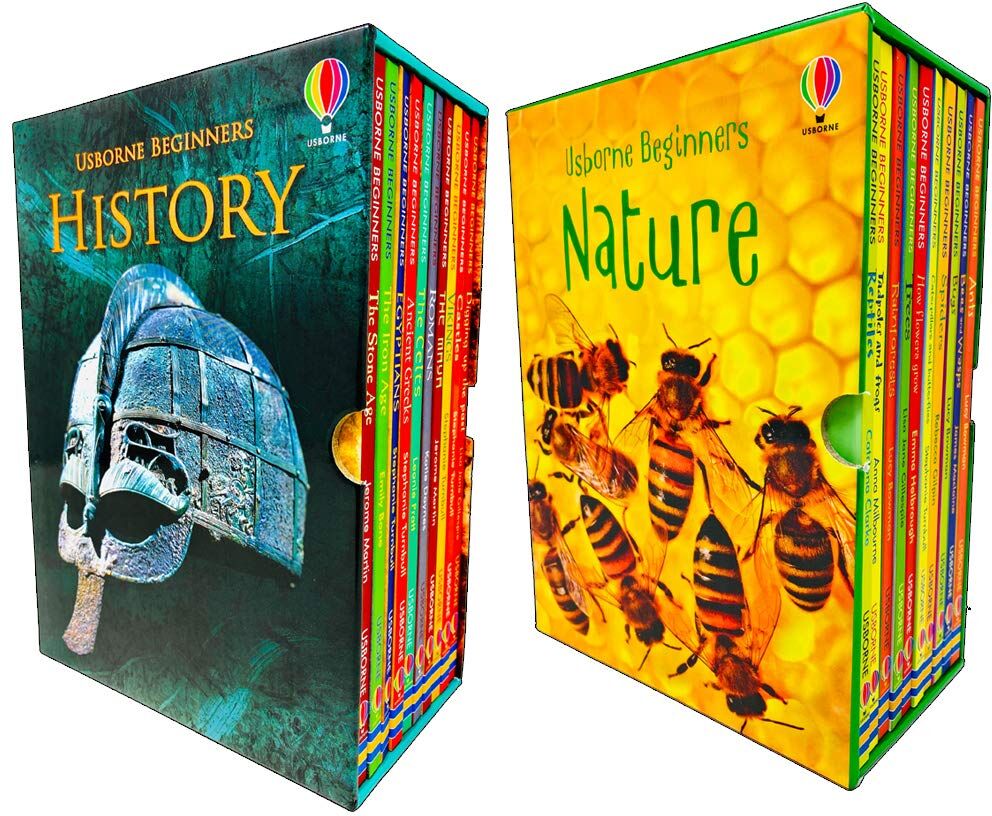
Usborne Publishing Ltd Usborne Beginners History & Usborne Beginners Nature 20 Books Collection Box SetTitles in this set: Usborne Beginners History Stone Age Iron Age Egyptians Ancient Greeks Celts Romans The Maya Vikings Castles Digging Up the Past. Usborne Beginners Nature Reptiles Tadpoles and Frogs Rainforest Trees How Flowers Grow Caterpillars and Butterflies Spiders Bugs Bees & Wasps Ants Description Stone Age This simple information book follows the history of Stone Age people and how they lived. Iron Age This simple information book charts the history of Iron Age people and how they lived, including their farming methods, the gods they prayed to and the hill forts where they lived. Egyptians Who were the ancient Egyptians? Why did they build pyramids and how were mummies made? Ancient Greeks Find out about Ancient Greece, what people wore, ate and did for fun and learn about some of the most famous philosophers and mathematicians of the age in this compelling book for beginner readers. Celts Who were the Celts exactly? Did you know they lived on top of hills? Do you have any idea how Celtic warriors made themselves look really scary in battle? Romans Who were the ancient Romans? Where did they go to eat, shop and wash? What did they do for fun? The Maya Who were the Maya? Where did they live? Why did they build tall stone temples? Vikings Find out what it was like to be a Viking, and learn about Viking homes, feasts, boats, gods and much more in this fascinating book. Castles Who lived in a castle, and what was it like? Children can find out the answers to these questions and lots more about the wonderful world of castles in this informative book. Digging Up the Past How do ancient things get buried? Who digs them up? And what do they find? Beginner readers can find answers to these questions and more in this colourful information book. Reptiles This is a fantastic brand new addition to the "Beginners" series, designed to provide an informative introduction to trees and plant-life for young readers. Tadpoles and Frogs Vivid, full colour illustrations and photographs on every page, accompanied by short, informative text. Rainforest It offers a terrific reading practice for children who prefer fact to fiction. It is developed with a reading expert from Roehampton University to help young readers grow in confidence. Trees This is a fantastic brand new addition to the 'Beginners' series, designed to provide an informative introduction to trees and plant-life for young readers. How Flowers Grow How do flowers grow in dry deserts? How do animals help to spread seeds? Which flower smells like rottng meat? Caterpillars and Butterflies Usborne Beginners are colourful information books for children beginning to read on their own. Spiders Usborne Beginners are colourful information books for children beginning to read on their own. Bugs Usborne Beginners are colourful information books for children beginning to read on their own. Bees & Wasps A slim and unintimidating book which belies its contents - a wealth of information, much of which will be...34,99 £*Shipping: 2,99 £Secure redirect to the provider
-
How is the magnification factor determined?
The magnification factor is determined by dividing the focal length of the lens by the focal length of the eyepiece being used. This calculation gives the overall magnification of the telescope. For example, if a telescope has a focal length of 1000mm and an eyepiece with a focal length of 10mm is used, the magnification factor would be 100x (1000mm / 10mm = 100x). This factor indicates how much larger an object will appear when viewed through the telescope. **
-
Which binoculars have a good magnification?
The binoculars with a magnification of 10x or higher are generally considered to have good magnification. These binoculars provide a strong level of magnification, allowing you to see distant objects with great clarity and detail. However, it's important to keep in mind that higher magnification can also lead to a narrower field of view and can make the image appear shakier if not properly stabilized. Therefore, it's important to consider your specific needs and uses for the binoculars when determining the ideal magnification for your purposes. **
-
At what magnification are satellites visible?
Satellites are typically visible at a magnification of around 10x to 20x using a good pair of binoculars. At this magnification, you can see the glint of sunlight reflecting off the satellite as it moves across the sky. However, the exact magnification needed to see a satellite can vary depending on its altitude, size, and the lighting conditions. **
-
What is the magnification of eyepieces?
The magnification of eyepieces refers to the degree to which they enlarge the image seen through a microscope or telescope. It is determined by the focal length of the eyepiece and the focal length of the objective lens. The magnification of an eyepiece is typically marked on the eyepiece itself, and it is often adjustable by changing the distance between the eyepiece and the objective lens. Higher magnification eyepieces allow for a closer and more detailed view of the object being observed. **
* All prices are inclusive of VAT and, if applicable, plus shipping costs. The offer information is based on the details provided by the respective shop and is updated through automated processes. Real-time updates do not occur, so deviations can occur in individual cases. ** Note: Parts of this content were created by AI.