Buy frohnau.eu ?
We are moving the project
frohnau.eu .
Are you interested in purchasing the domain
frohnau.eu ?
domain@kv-gmbh.de · 0541-91531010
Buy frohnau.eu ?
What is a Brachiosaurus?
A Brachiosaurus is a genus of large, herbivorous dinosaur that lived during the Late Jurassic period, around 154-153 million years ago. It was a sauropod, characterized by its long neck and relatively short tail, and it was one of the largest land animals to have ever existed. Brachiosaurus had a unique body shape, with its front legs being longer than its hind legs, allowing it to reach high vegetation. It is known for its massive size and is a popular subject in dinosaur research and popular culture. **
Why is it unlikely that the Brachiosaurus was neither homiothermic nor poikilothermic?
It is unlikely that the Brachiosaurus was neither homiothermic nor poikilothermic because it is believed to have been a large, warm-blooded dinosaur. Its massive size and long neck would have made it difficult for the Brachiosaurus to regulate its body temperature like a poikilothermic animal. Additionally, its active lifestyle and need to constantly forage for food would have required a consistent and high level of energy, which is more characteristic of a homiothermic animal. Therefore, it is unlikely that the Brachiosaurus fell into either of these categories. **

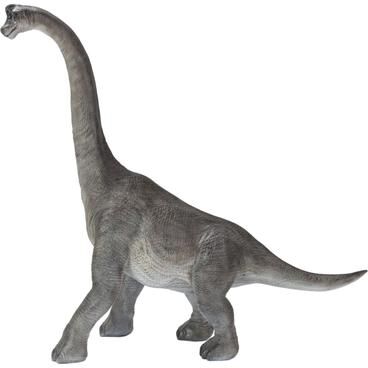
Similar search terms for Brachiosaurus
Top-Angebote
Products related to Brachiosaurus:
-
Woolie Remy the Brachiosaurus Crocheted Soft ToyGentle, charming, and beautifully handcrafted, Remy the Brachiosaurus from Woolie is a delightful crocheted soft toy designed to stand out in any nursery or gift collection. Made in appealing green tones with a soft, tactile texture, Remy offers a friendly and calming presence that children and parents alike will adore. Each Brachiosaurus is carefully hand‑crocheted using high‑quality yarn, giving every piece subtle individuality while ensuring durability and long‑lasting softness. The handmade aesthetic and thoughtful design make Remy an ideal keepsake as well as a comforting companion, perfectly suited to modern nursery décor. A wonderful choice for baby showers, first birthdays, or nursery styling, this dinosaur soft toy provides a distinctive, high‑quality alternative to mass‑produced plush and makes a memorable, gift‑ready addition to any children’s range. Dimensions: 34(H) x 12(L) x 12(W) cm.24,95 £*Shipping: 3,50 £Secure redirect to the provider
-
Regal Art & Gifts Regal Art & Gift 21.25 Inch Dinosaur Decor - BrachiosaurusDetails: Add a touch of charm and sophistication to your outdoor space with this versatile decorative accent. Crafted with attention to detail and designed to withstand the elements, this piece offers a perfect blend of style and durability.86,40 $*Shipping: 0,00 $Secure redirect to the provider
-
Fusion Finds Pterosaur Fossil Building Block Model Educational STEM Construction Toy brachiosaurus Block in BagBring prehistoric discovery into handson play with this pterosaur building block model designed for creative construction and display. The selflocking small blocks create a fossilstyle skeleton model while encouraging tactile STEMfocused learning....59,97 $*Shipping: 0,00 $Secure redirect to the provider
-
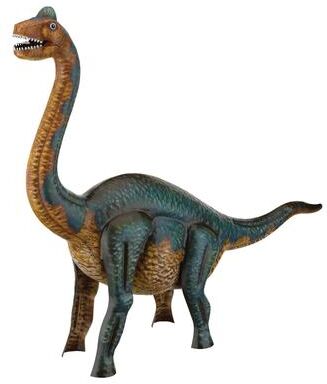
JoyToys Cute Dinosaur Water Gun For Kids 3D Cartoon Kids Water Gun For Beach, Pool & Summer Fun blue BrachiosaurusTurn every splash into an unforgettable adventure with this adorable Dinosaur Water Gun that keeps kids active, smiling, and entertained all summer long. Designed for boys and girls, this fun kids water gun features a cute 3D dinosaur design that's...29,97 $*Shipping: 0,00 $Secure redirect to the provider



-
Was the Brachiosaurus the largest animal that ever existed, or was it the Plesiosaurus?
The Brachiosaurus was one of the largest dinosaurs that ever existed, reaching lengths of up to 85 feet and heights of up to 40 feet. However, it was not the largest animal that ever existed. The largest animal that ever existed is the blue whale, which can reach lengths of over 100 feet and weigh up to 200 tons. The Plesiosaurus, on the other hand, was a marine reptile that lived during the Mesozoic Era, and while it was large for its time, it was not as large as the Brachiosaurus or the blue whale. **
-
What is a therapeutic residential community (WG) 2?
A therapeutic residential community (WG) 2 is a supportive living environment designed to provide therapy and support for individuals dealing with mental health or substance abuse issues. It offers a structured and safe space for residents to work on their recovery, learn coping skills, and build a support network. The community typically includes a team of mental health professionals, counselors, and peers who work together to create a healing and nurturing environment. Residents are encouraged to participate in group therapy, individual counseling, and various activities aimed at promoting personal growth and well-being. **
-
How did the hearts of the largest sauropods like Argentinosaurus, Seismosaurus, Brachiosaurus, etc., manage to pump the blood so high into their heads?
The hearts of the largest sauropods were likely very large and powerful in order to pump blood to their heads, which could be over 30 feet above their hearts. These dinosaurs may have had adaptations such as a large aorta and specialized valves to help maintain blood pressure and circulation to their heads. Additionally, their long necks may have acted as a natural siphon, helping to reduce the amount of work their hearts had to do to pump blood to their heads. Overall, the cardiovascular system of these massive dinosaurs likely had unique adaptations to support their enormous size and long necks. **
-
What is a therapeutic residential community (WG) number 3?
Therapeutic residential community (WG) number 3 is a type of residential treatment program that provides a therapeutic environment for individuals who are struggling with mental health issues, substance abuse, or other behavioral challenges. These communities offer a structured and supportive living environment where residents can receive therapy, counseling, and support from trained professionals. The goal of WG number 3 is to help residents develop coping skills, build healthy relationships, and work towards recovery and stability. This type of program often includes a combination of individual and group therapy, life skills training, and recreational activities to support the overall well-being of residents. **
What is the constructive nature of history?
The constructive nature of history refers to the way in which our understanding and interpretation of historical events and figures can shape our present and future. By studying history, we can learn from past mistakes and successes, and use that knowledge to build a better future. History also helps us understand the complexities of human societies and the interconnectedness of different cultures and civilizations. Ultimately, the constructive nature of history lies in its ability to provide valuable lessons and insights that can inform our decisions and actions in the present and future. **
How long does one typically stay in a therapeutic residential community?
The length of stay in a therapeutic residential community can vary depending on the individual's needs and progress. Typically, individuals stay in these communities for several weeks to several months. Some programs may have a minimum stay requirement to ensure that individuals have enough time to work through their issues and make progress towards their treatment goals. Ultimately, the length of stay is determined by the individual's treatment plan and their progress in therapy. **
Top-Angebote
Products related to Brachiosaurus:
-
JoyToys New Green Brachiosaurus Dinosaur Plush Toy New Green Brachiosaurus Dinosaur Plush ToyLooking for a soft and cuddly dino friend for your child Look no further than the New Green Brachiosaurus Dinosaur Plush Toy! This adorable plush toy is made with highquality materials and features realistic details, making it a perfect companion...39,97 $*Shipping: 0,00 $Secure redirect to the provider
-
Hi-Line Gift Dinosaur-BrachiosaurusAn awesome piece of sculpture art build with durable polyresin. This dinosaur statue can be a perfect addition to your home and garden décor. This is a true example of incredible craftsmanship that captured this emotion in the finest manner.394,23 $*Shipping: 0,00 $Secure redirect to the provider
-
Woolie Remy the Brachiosaurus Crocheted Soft ToyGentle, charming, and beautifully handcrafted, Remy the Brachiosaurus from Woolie is a delightful crocheted soft toy designed to stand out in any nursery or gift collection. Made in appealing green tones with a soft, tactile texture, Remy offers a friendly and calming presence that children and parents alike will adore. Each Brachiosaurus is carefully hand‑crocheted using high‑quality yarn, giving every piece subtle individuality while ensuring durability and long‑lasting softness. The handmade aesthetic and thoughtful design make Remy an ideal keepsake as well as a comforting companion, perfectly suited to modern nursery décor. A wonderful choice for baby showers, first birthdays, or nursery styling, this dinosaur soft toy provides a distinctive, high‑quality alternative to mass‑produced plush and makes a memorable, gift‑ready addition to any children’s range. Dimensions: 34(H) x 12(L) x 12(W) cm.24,95 £*Shipping: 3,50 £Secure redirect to the provider
-
Regal Art & Gifts Regal Art & Gift 21.25 Inch Dinosaur Decor - BrachiosaurusDetails: Add a touch of charm and sophistication to your outdoor space with this versatile decorative accent. Crafted with attention to detail and designed to withstand the elements, this piece offers a perfect blend of style and durability.86,40 $*Shipping: 0,00 $Secure redirect to the provider
-
What is a Brachiosaurus?
A Brachiosaurus is a genus of large, herbivorous dinosaur that lived during the Late Jurassic period, around 154-153 million years ago. It was a sauropod, characterized by its long neck and relatively short tail, and it was one of the largest land animals to have ever existed. Brachiosaurus had a unique body shape, with its front legs being longer than its hind legs, allowing it to reach high vegetation. It is known for its massive size and is a popular subject in dinosaur research and popular culture. **
-
Why is it unlikely that the Brachiosaurus was neither homiothermic nor poikilothermic?
It is unlikely that the Brachiosaurus was neither homiothermic nor poikilothermic because it is believed to have been a large, warm-blooded dinosaur. Its massive size and long neck would have made it difficult for the Brachiosaurus to regulate its body temperature like a poikilothermic animal. Additionally, its active lifestyle and need to constantly forage for food would have required a consistent and high level of energy, which is more characteristic of a homiothermic animal. Therefore, it is unlikely that the Brachiosaurus fell into either of these categories. **
-
Was the Brachiosaurus the largest animal that ever existed, or was it the Plesiosaurus?
The Brachiosaurus was one of the largest dinosaurs that ever existed, reaching lengths of up to 85 feet and heights of up to 40 feet. However, it was not the largest animal that ever existed. The largest animal that ever existed is the blue whale, which can reach lengths of over 100 feet and weigh up to 200 tons. The Plesiosaurus, on the other hand, was a marine reptile that lived during the Mesozoic Era, and while it was large for its time, it was not as large as the Brachiosaurus or the blue whale. **
-
What is a therapeutic residential community (WG) 2?
A therapeutic residential community (WG) 2 is a supportive living environment designed to provide therapy and support for individuals dealing with mental health or substance abuse issues. It offers a structured and safe space for residents to work on their recovery, learn coping skills, and build a support network. The community typically includes a team of mental health professionals, counselors, and peers who work together to create a healing and nurturing environment. Residents are encouraged to participate in group therapy, individual counseling, and various activities aimed at promoting personal growth and well-being. **
Similar search terms for Brachiosaurus
-
Fusion Finds Pterosaur Fossil Building Block Model Educational STEM Construction Toy brachiosaurus Block in BagBring prehistoric discovery into handson play with this pterosaur building block model designed for creative construction and display. The selflocking small blocks create a fossilstyle skeleton model while encouraging tactile STEMfocused learning....59,97 $*Shipping: 0,00 $Secure redirect to the provider
-
JoyToys Cute Dinosaur Water Gun For Kids 3D Cartoon Kids Water Gun For Beach, Pool & Summer Fun blue BrachiosaurusTurn every splash into an unforgettable adventure with this adorable Dinosaur Water Gun that keeps kids active, smiling, and entertained all summer long. Designed for boys and girls, this fun kids water gun features a cute 3D dinosaur design that's...29,97 $*Shipping: 0,00 $Secure redirect to the provider
-
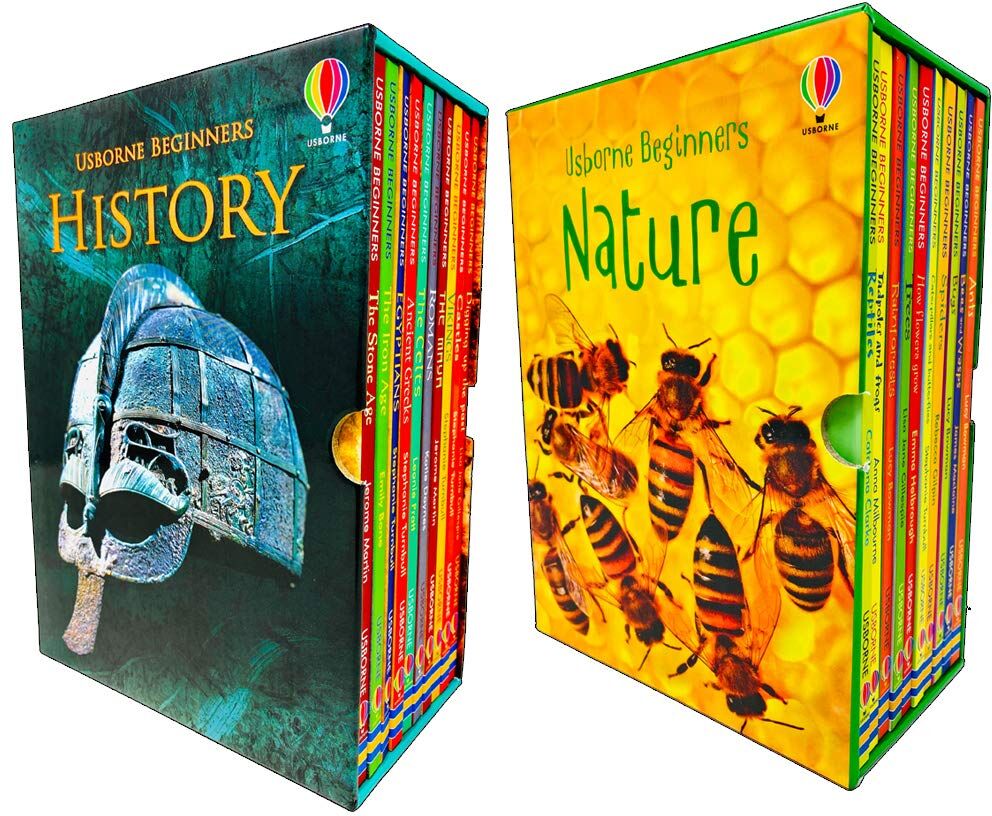
Usborne Publishing Ltd Usborne Beginners History & Usborne Beginners Nature 20 Books Collection Box SetTitles in this set: Usborne Beginners History Stone Age Iron Age Egyptians Ancient Greeks Celts Romans The Maya Vikings Castles Digging Up the Past. Usborne Beginners Nature Reptiles Tadpoles and Frogs Rainforest Trees How Flowers Grow Caterpillars and Butterflies Spiders Bugs Bees & Wasps Ants Description Stone Age This simple information book follows the history of Stone Age people and how they lived. Iron Age This simple information book charts the history of Iron Age people and how they lived, including their farming methods, the gods they prayed to and the hill forts where they lived. Egyptians Who were the ancient Egyptians? Why did they build pyramids and how were mummies made? Ancient Greeks Find out about Ancient Greece, what people wore, ate and did for fun and learn about some of the most famous philosophers and mathematicians of the age in this compelling book for beginner readers. Celts Who were the Celts exactly? Did you know they lived on top of hills? Do you have any idea how Celtic warriors made themselves look really scary in battle? Romans Who were the ancient Romans? Where did they go to eat, shop and wash? What did they do for fun? The Maya Who were the Maya? Where did they live? Why did they build tall stone temples? Vikings Find out what it was like to be a Viking, and learn about Viking homes, feasts, boats, gods and much more in this fascinating book. Castles Who lived in a castle, and what was it like? Children can find out the answers to these questions and lots more about the wonderful world of castles in this informative book. Digging Up the Past How do ancient things get buried? Who digs them up? And what do they find? Beginner readers can find answers to these questions and more in this colourful information book. Reptiles This is a fantastic brand new addition to the "Beginners" series, designed to provide an informative introduction to trees and plant-life for young readers. Tadpoles and Frogs Vivid, full colour illustrations and photographs on every page, accompanied by short, informative text. Rainforest It offers a terrific reading practice for children who prefer fact to fiction. It is developed with a reading expert from Roehampton University to help young readers grow in confidence. Trees This is a fantastic brand new addition to the 'Beginners' series, designed to provide an informative introduction to trees and plant-life for young readers. How Flowers Grow How do flowers grow in dry deserts? How do animals help to spread seeds? Which flower smells like rottng meat? Caterpillars and Butterflies Usborne Beginners are colourful information books for children beginning to read on their own. Spiders Usborne Beginners are colourful information books for children beginning to read on their own. Bugs Usborne Beginners are colourful information books for children beginning to read on their own. Bees & Wasps A slim and unintimidating book which belies its contents - a wealth of information, much of which will be...34,99 £*Shipping: 2,99 £Secure redirect to the provider
-
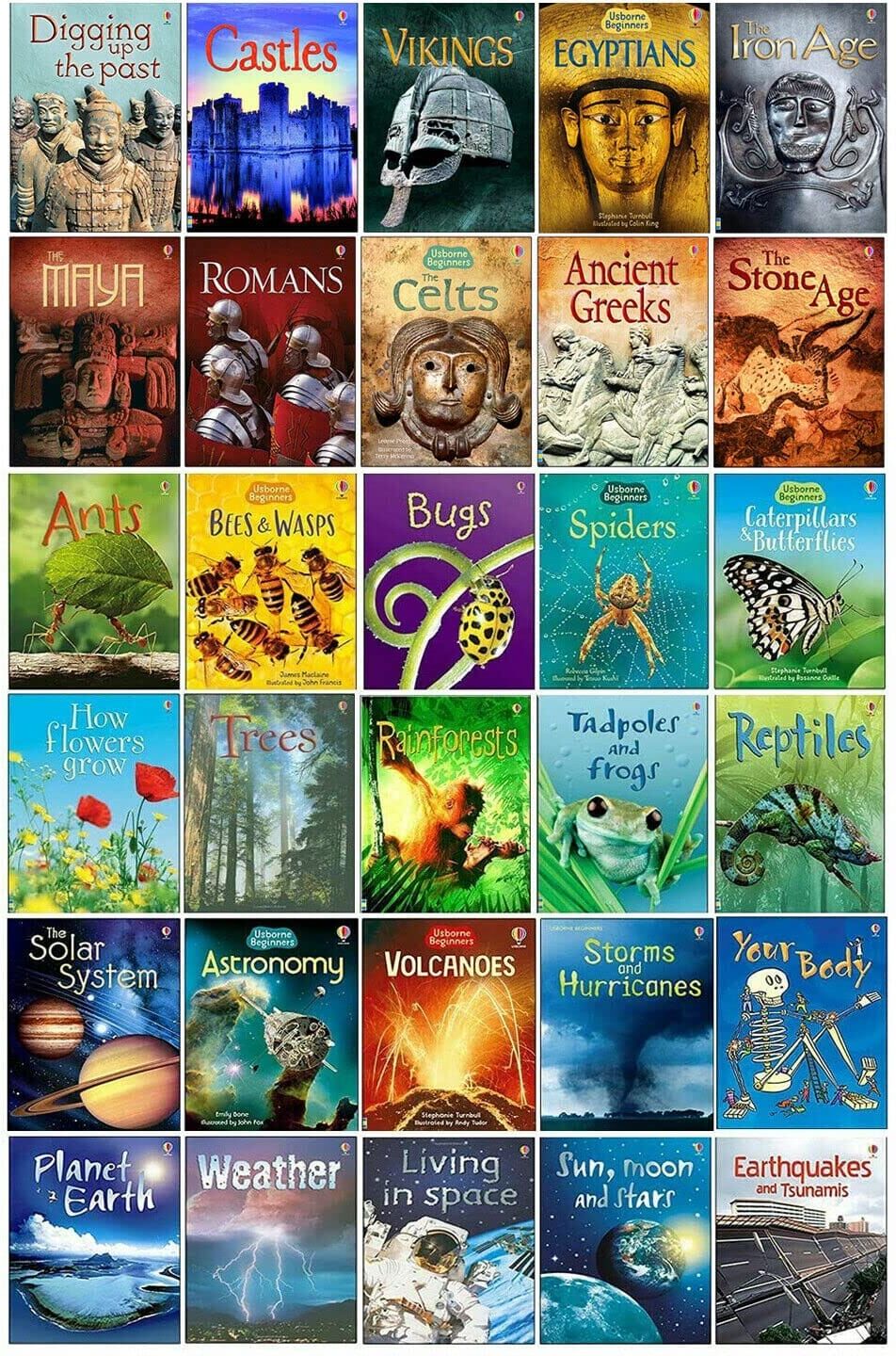
Usborne Beginners Nature, Science & History Collection 30 Books Set - Ages 4-10 - Paperback Usborne Publishing LtdTitles in This Set: Usborne Beginners Nature 10 Books: 1. Ants 2. Bees & Wasps 3. Bugs 4. Spiders 5. Tadpoles and Frogs 6. Caterpillars and Butterflies 7. How Flowers Grow 8. Trees 9. Rainforest 10. Reptiles Usborne Beginners Science 10 Books: 1. Earthquakes & Tsunamis 2. Sun Moon and Stars 3. Living in Space 4. Storms and Hurricanes 5. Volcanoes 6. Astronomy 7. The Solar System 8. Your Body 9. Planet Earth 10. Weather Usborne Beginners History 10 Books: Titles in This Set: 1. Ancient Greeks 2. Castles 3. Celts 4. Digging Up the Past 5. Egyptians 6. Iron Age 7. Maya 8. Romans 9. Stone Age 10. Vikings Description : Usborne Beginners Nature 10 Books Ants Where do ants live? What do they eat? How much weight can they carry? Little children can find out the answers to these questions and much more in this simple introduction to the world of ants. Bees & Wasps What do bees and wasps eat? What type of nests do they make? How do bees make honey? Find out the answers and lots more in this intriguing introduction to the fascinating world of bees and wasps. Bugs ''There are all kinds of different bugs. Some can jump up high. Other bugs have lots of legs.” Bugs is part of an exciting reading series for young children, with lots of pictures and very simple text. Spiders “Spiders have eight legs. Most of them have eight eyes, but some of them can’t see very well.” Learn all about spiders in this great book for children learning to read by themselves. Tadpoles and Frogs From egg to frog, find out about the entire life cycle of a frog in this easy-to-read fully illustrated book for young learners ages 4+. It comes complete with weblinks so you can see the process for yourself. Caterpillars and Butterflies A beautifully illustrated introduction to the life of butterflies and caterpillars, with easy to read text for beginner readers. The life cycle of a butterfly is shown with stunning photographs and illustrations, and there are links to carefully selected websites with videos that show butterflies emerging from their pupae. How Flowers Grow How do flowers grow in dry deserts? How do animals help to spread seeds? Which flower smells like rotting meat? Find out in this great book for young readers ages four and up. Trees How do trees use their leaves to make food? Why do they grow flowers and fruit? Which animals live inside a tree trunk and build nests in its branches? How can we help to protect trees? This book has all the answers and much more, along with photographs, step-by-step illustrations, simple text and links to websites with video clips and activities. Rainforests Learn all about the rainforest in this fantastic easy-to-read book for children 4+ beginning to strike out on their own. From towering trees to rainforest rivers, this fully-illustrated book also features links to carefully selected websites. Reptiles Learn all about the lizard world in this fully-illustrated guide, the latest in the Usborne Beginners series. From scaly skin to tongue tricks...42,75 £*Shipping: 0,00 £Secure redirect to the provider
-
How did the hearts of the largest sauropods like Argentinosaurus, Seismosaurus, Brachiosaurus, etc., manage to pump the blood so high into their heads?
The hearts of the largest sauropods were likely very large and powerful in order to pump blood to their heads, which could be over 30 feet above their hearts. These dinosaurs may have had adaptations such as a large aorta and specialized valves to help maintain blood pressure and circulation to their heads. Additionally, their long necks may have acted as a natural siphon, helping to reduce the amount of work their hearts had to do to pump blood to their heads. Overall, the cardiovascular system of these massive dinosaurs likely had unique adaptations to support their enormous size and long necks. **
-
What is a therapeutic residential community (WG) number 3?
Therapeutic residential community (WG) number 3 is a type of residential treatment program that provides a therapeutic environment for individuals who are struggling with mental health issues, substance abuse, or other behavioral challenges. These communities offer a structured and supportive living environment where residents can receive therapy, counseling, and support from trained professionals. The goal of WG number 3 is to help residents develop coping skills, build healthy relationships, and work towards recovery and stability. This type of program often includes a combination of individual and group therapy, life skills training, and recreational activities to support the overall well-being of residents. **
-
What is the constructive nature of history?
The constructive nature of history refers to the way in which our understanding and interpretation of historical events and figures can shape our present and future. By studying history, we can learn from past mistakes and successes, and use that knowledge to build a better future. History also helps us understand the complexities of human societies and the interconnectedness of different cultures and civilizations. Ultimately, the constructive nature of history lies in its ability to provide valuable lessons and insights that can inform our decisions and actions in the present and future. **
-
How long does one typically stay in a therapeutic residential community?
The length of stay in a therapeutic residential community can vary depending on the individual's needs and progress. Typically, individuals stay in these communities for several weeks to several months. Some programs may have a minimum stay requirement to ensure that individuals have enough time to work through their issues and make progress towards their treatment goals. Ultimately, the length of stay is determined by the individual's treatment plan and their progress in therapy. **
* All prices are inclusive of VAT and, if applicable, plus shipping costs. The offer information is based on the details provided by the respective shop and is updated through automated processes. Real-time updates do not occur, so deviations can occur in individual cases. ** Note: Parts of this content were created by AI.