Buy frohnau.eu ?
We are moving the project
frohnau.eu .
Are you interested in purchasing the domain
frohnau.eu ?
domain@kv-gmbh.de · 0541-91531010
Buy frohnau.eu ?
How do I calculate refraction or the angle of refraction?
To calculate refraction or the angle of refraction, you can use Snell's Law, which relates the angles of incidence and refraction to the refractive indices of the two mediums involved. The formula is n1*sin(theta1) = n2*sin(theta2), where n1 and n2 are the refractive indices of the two mediums, and theta1 and theta2 are the angles of incidence and refraction, respectively. By rearranging this formula, you can solve for the angle of refraction when given the angle of incidence and refractive indices of the mediums. **
How do I calculate the refraction or the angle of refraction?
To calculate the angle of refraction, you can use Snell's Law, which states that the ratio of the sine of the angle of incidence to the sine of the angle of refraction is equal to the ratio of the velocities of light in the two different mediums. Mathematically, this can be expressed as n1*sin(theta1) = n2*sin(theta2), where n1 and n2 are the refractive indices of the two mediums, and theta1 and theta2 are the angles of incidence and refraction, respectively. By rearranging this equation, you can solve for the angle of refraction. **
Similar search terms for Refraction
Top-Angebote
Products related to Refraction:
-
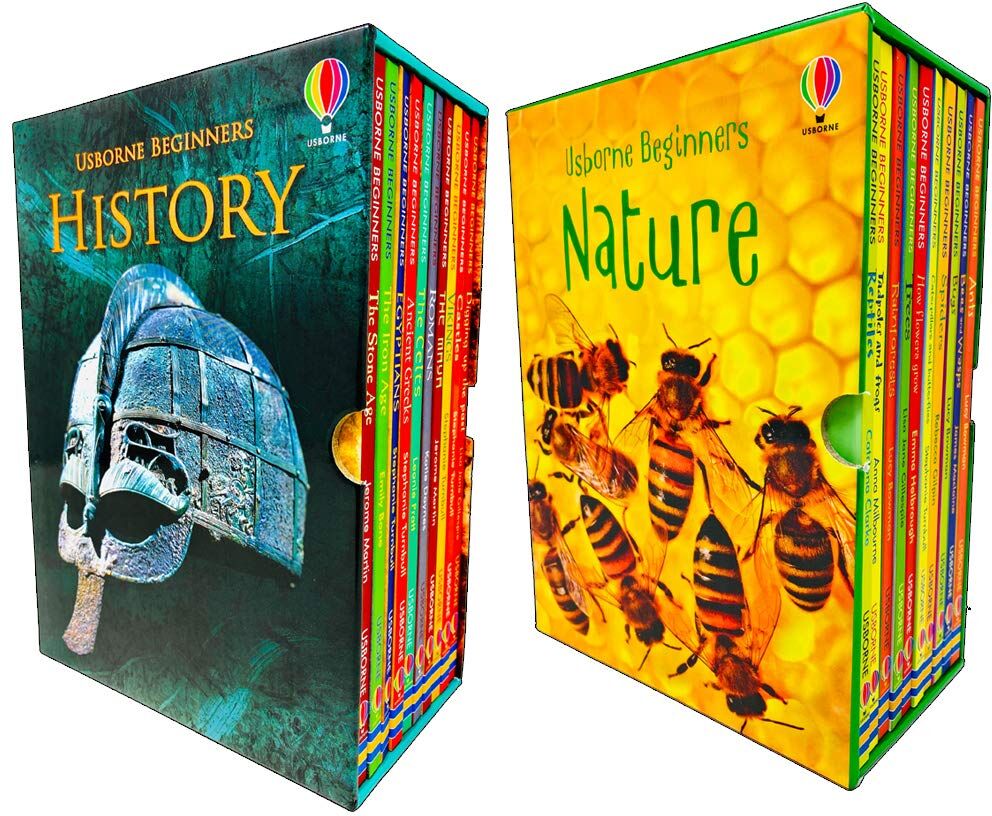
Usborne Publishing Ltd Usborne Beginners History & Usborne Beginners Nature 20 Books Collection Box SetTitles in this set: Usborne Beginners History Stone Age Iron Age Egyptians Ancient Greeks Celts Romans The Maya Vikings Castles Digging Up the Past. Usborne Beginners Nature Reptiles Tadpoles and Frogs Rainforest Trees How Flowers Grow Caterpillars and Butterflies Spiders Bugs Bees & Wasps Ants Description Stone Age This simple information book follows the history of Stone Age people and how they lived. Iron Age This simple information book charts the history of Iron Age people and how they lived, including their farming methods, the gods they prayed to and the hill forts where they lived. Egyptians Who were the ancient Egyptians? Why did they build pyramids and how were mummies made? Ancient Greeks Find out about Ancient Greece, what people wore, ate and did for fun and learn about some of the most famous philosophers and mathematicians of the age in this compelling book for beginner readers. Celts Who were the Celts exactly? Did you know they lived on top of hills? Do you have any idea how Celtic warriors made themselves look really scary in battle? Romans Who were the ancient Romans? Where did they go to eat, shop and wash? What did they do for fun? The Maya Who were the Maya? Where did they live? Why did they build tall stone temples? Vikings Find out what it was like to be a Viking, and learn about Viking homes, feasts, boats, gods and much more in this fascinating book. Castles Who lived in a castle, and what was it like? Children can find out the answers to these questions and lots more about the wonderful world of castles in this informative book. Digging Up the Past How do ancient things get buried? Who digs them up? And what do they find? Beginner readers can find answers to these questions and more in this colourful information book. Reptiles This is a fantastic brand new addition to the "Beginners" series, designed to provide an informative introduction to trees and plant-life for young readers. Tadpoles and Frogs Vivid, full colour illustrations and photographs on every page, accompanied by short, informative text. Rainforest It offers a terrific reading practice for children who prefer fact to fiction. It is developed with a reading expert from Roehampton University to help young readers grow in confidence. Trees This is a fantastic brand new addition to the 'Beginners' series, designed to provide an informative introduction to trees and plant-life for young readers. How Flowers Grow How do flowers grow in dry deserts? How do animals help to spread seeds? Which flower smells like rottng meat? Caterpillars and Butterflies Usborne Beginners are colourful information books for children beginning to read on their own. Spiders Usborne Beginners are colourful information books for children beginning to read on their own. Bugs Usborne Beginners are colourful information books for children beginning to read on their own. Bees & Wasps A slim and unintimidating book which belies its contents - a wealth of information, much of which will be...34,99 £*Shipping: 2,99 £Secure redirect to the provider
-
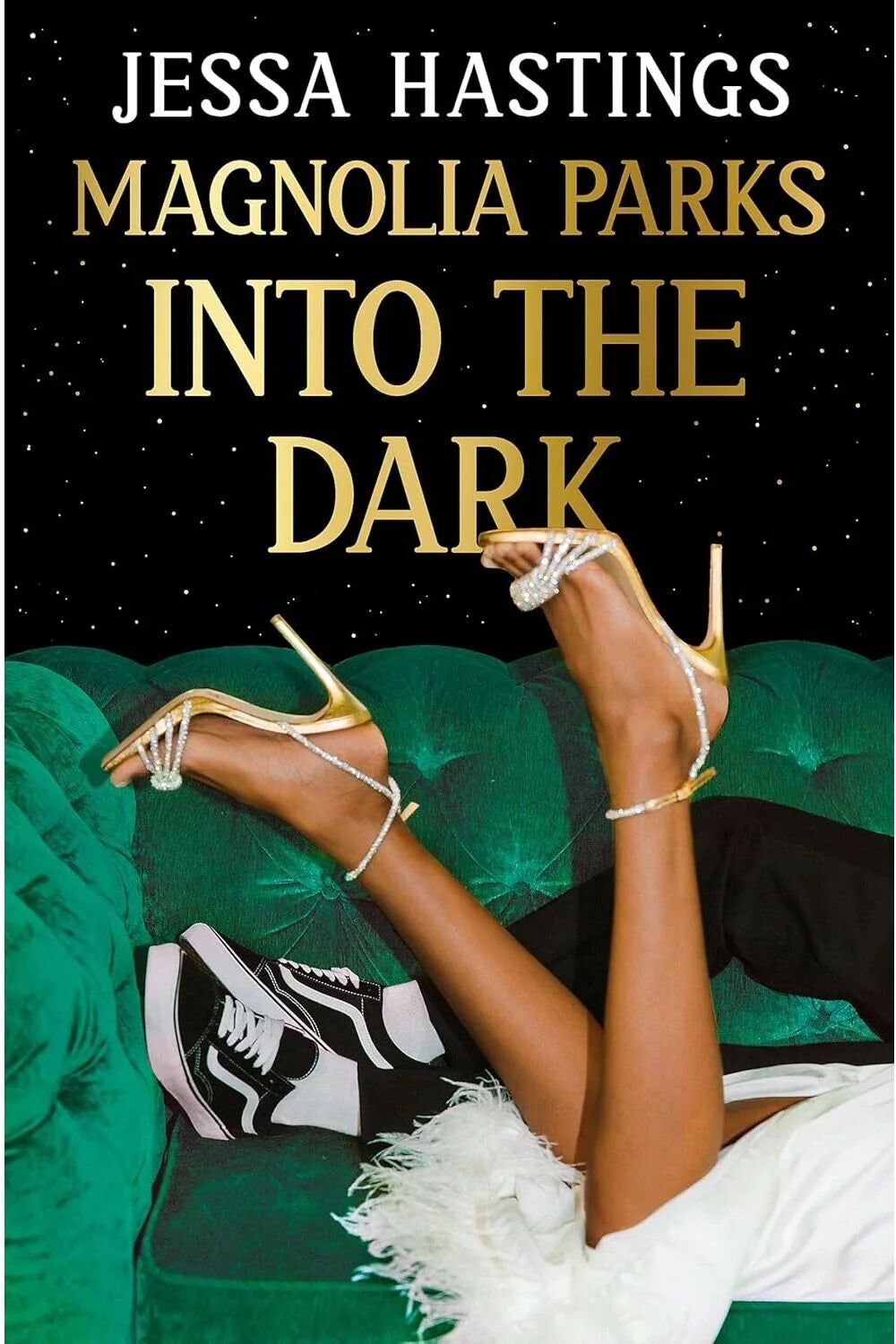
Orion Magnolia Parks: Into the Dark by Jessa Hastings - Book 5 Magnolia Parks Universe - Contemporary Romance Paperback -Get lost in the addictive world of Jessa Hastings' Magnolia Parks Universe with book five, Into the Dark. This contemporary romance novel follows Magnolia and BJ as they face a devastating loss while planning their high-profile wedding. As family tensions rise and secrets resurface, they must decide if their love can survive the darkest chapter of their story yet. A brand new paperback edition, perfect for fans of glamorous, emotionally charged romance. Jessa Hastings weaves high-society glamour with raw, intimate vulnerability, exploring the complexities of relationships and the power of love to overcome adversity. Following on from Magnolia Parks, Daisy Haites, Magnolia Parks: The Long Way Home and Daisy Haites: The Great Undoing, Into the Dark is a gripping addition to the series, sure to captivate readers with its relatable characters and engaging storyline.8,99 £*Shipping: 2,99 £Secure redirect to the provider
-
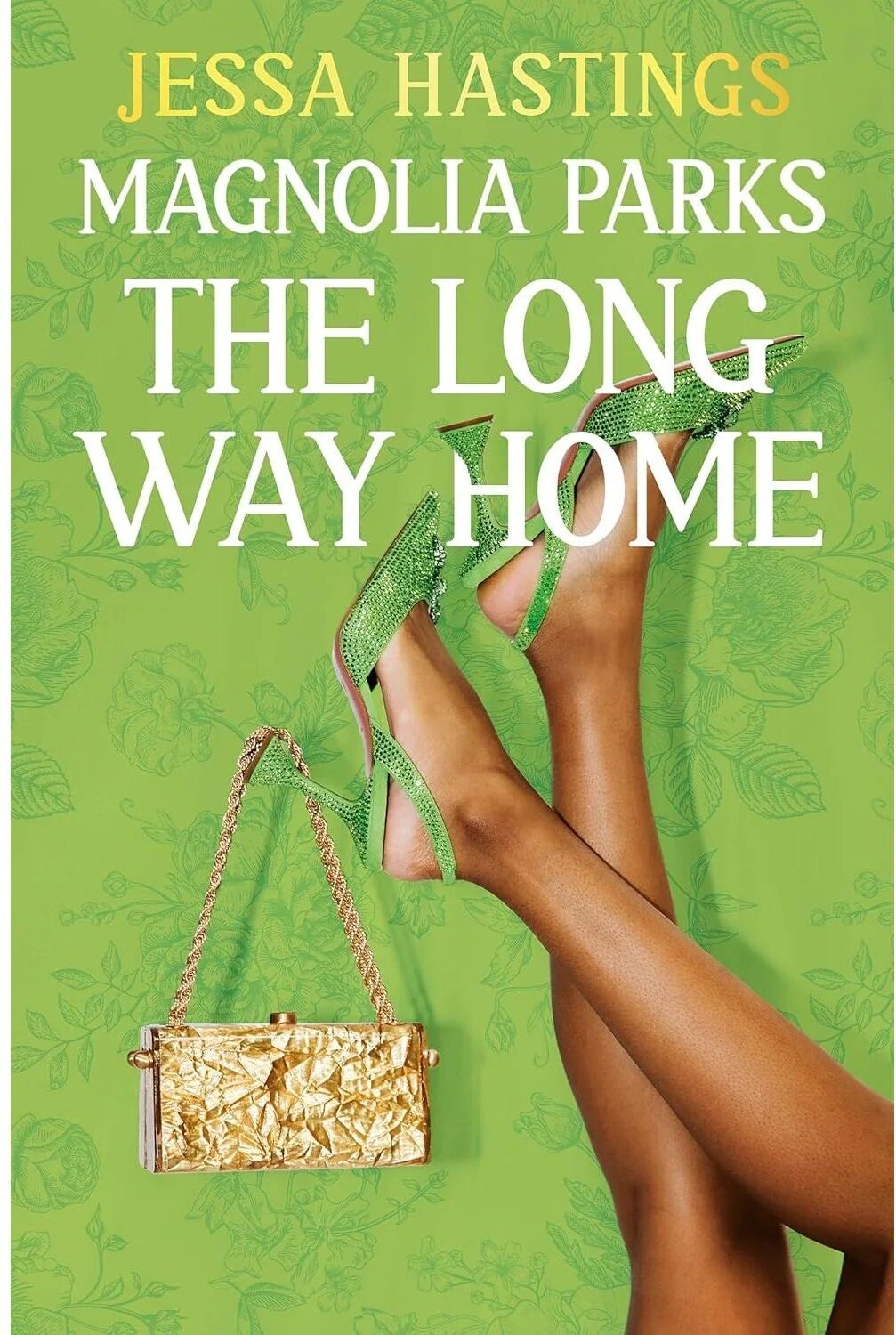
Orion Magnolia Parks: The Long Way Home by Jessa Hastings - Book 3, Magnolia Parks Universe - Paperback Romance FictionMagnolia Parks: The Long Way Home is the third book in Jessa Hastings' addictive Magnolia Parks Universe, a contemporary romance saga that has taken TikTok by storm. This paperback continues the on-again, off-again story of Magnolia and BJ, set against the glossy backdrops of London and New York. Nearly a year has passed since everything unravelled between them, and life has moved on. Magnolia has built a new existence for herself in New York, while BJ appears to have finally let go, moving forward without her. But when circumstances pull them both back to London, old feelings resurface and the pair are forced to confront the question that has haunted them.8,99 £*Shipping: 2,99 £Secure redirect to the provider
-
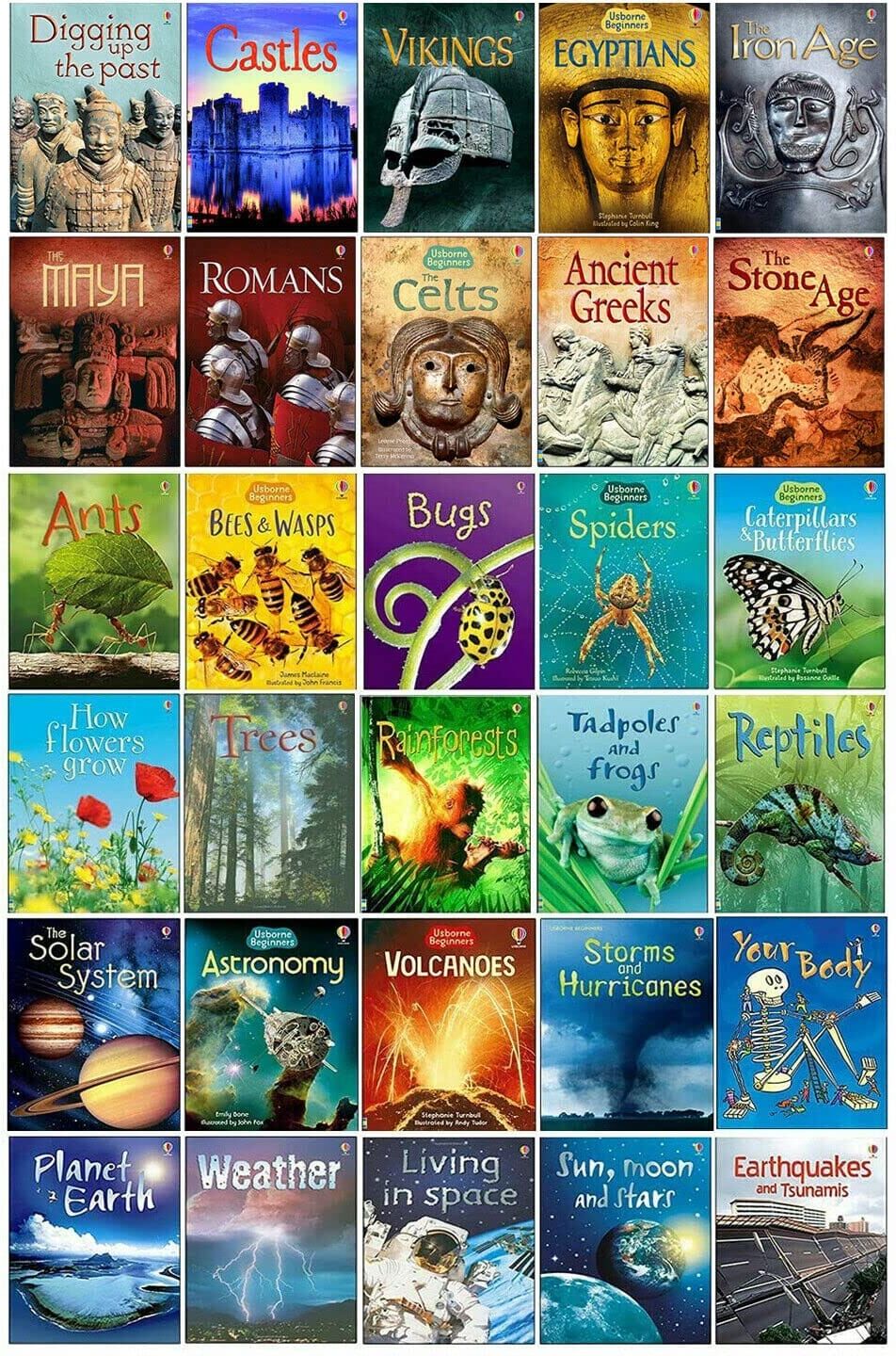
Usborne Beginners Nature, Science & History Collection 30 Books Set - Ages 4-10 - Paperback Usborne Publishing LtdTitles in This Set: Usborne Beginners Nature 10 Books: 1. Ants 2. Bees & Wasps 3. Bugs 4. Spiders 5. Tadpoles and Frogs 6. Caterpillars and Butterflies 7. How Flowers Grow 8. Trees 9. Rainforest 10. Reptiles Usborne Beginners Science 10 Books: 1. Earthquakes & Tsunamis 2. Sun Moon and Stars 3. Living in Space 4. Storms and Hurricanes 5. Volcanoes 6. Astronomy 7. The Solar System 8. Your Body 9. Planet Earth 10. Weather Usborne Beginners History 10 Books: Titles in This Set: 1. Ancient Greeks 2. Castles 3. Celts 4. Digging Up the Past 5. Egyptians 6. Iron Age 7. Maya 8. Romans 9. Stone Age 10. Vikings Description : Usborne Beginners Nature 10 Books Ants Where do ants live? What do they eat? How much weight can they carry? Little children can find out the answers to these questions and much more in this simple introduction to the world of ants. Bees & Wasps What do bees and wasps eat? What type of nests do they make? How do bees make honey? Find out the answers and lots more in this intriguing introduction to the fascinating world of bees and wasps. Bugs ''There are all kinds of different bugs. Some can jump up high. Other bugs have lots of legs.” Bugs is part of an exciting reading series for young children, with lots of pictures and very simple text. Spiders “Spiders have eight legs. Most of them have eight eyes, but some of them can’t see very well.” Learn all about spiders in this great book for children learning to read by themselves. Tadpoles and Frogs From egg to frog, find out about the entire life cycle of a frog in this easy-to-read fully illustrated book for young learners ages 4+. It comes complete with weblinks so you can see the process for yourself. Caterpillars and Butterflies A beautifully illustrated introduction to the life of butterflies and caterpillars, with easy to read text for beginner readers. The life cycle of a butterfly is shown with stunning photographs and illustrations, and there are links to carefully selected websites with videos that show butterflies emerging from their pupae. How Flowers Grow How do flowers grow in dry deserts? How do animals help to spread seeds? Which flower smells like rotting meat? Find out in this great book for young readers ages four and up. Trees How do trees use their leaves to make food? Why do they grow flowers and fruit? Which animals live inside a tree trunk and build nests in its branches? How can we help to protect trees? This book has all the answers and much more, along with photographs, step-by-step illustrations, simple text and links to websites with video clips and activities. Rainforests Learn all about the rainforest in this fantastic easy-to-read book for children 4+ beginning to strike out on their own. From towering trees to rainforest rivers, this fully-illustrated book also features links to carefully selected websites. Reptiles Learn all about the lizard world in this fully-illustrated guide, the latest in the Usborne Beginners series. From scaly skin to tongue tricks...42,75 £*Shipping: 0,00 £Secure redirect to the provider
-
What is the angle of refraction in the refraction of light?
The angle of refraction in the refraction of light is the angle between the refracted ray and the normal to the surface at the point of incidence. It is determined by Snell's Law, which states that the ratio of the sine of the angle of incidence to the sine of the angle of refraction is equal to the ratio of the velocities of light in the two media. The angle of refraction can be calculated using the formula: n1*sin(θ1) = n2*sin(θ2), where n1 and n2 are the refractive indices of the two media, and θ1 and θ2 are the angles of incidence and refraction, respectively. **
-
What is refraction in a prism?
Refraction in a prism is the bending of light as it passes through the prism due to the change in speed of light in different mediums. When light enters a prism, it slows down and bends towards the normal line, then as it exits the prism, it speeds up and bends away from the normal line. This bending of light causes the different colors of the spectrum to separate and create a rainbow effect. **
-
What is the law of refraction?
The law of refraction, also known as Snell's law, describes the relationship between the angles of incidence and refraction when a wave, such as light or sound, passes from one medium to another. It states that the ratio of the sine of the angle of incidence to the sine of the angle of refraction is equal to the ratio of the velocities of the wave in the two media. In other words, the law of refraction quantifies how much a wave bends as it passes from one medium to another, such as from air to water or from air to glass. **
-
How does the refraction of light occur?
Refraction of light occurs when light travels from one medium to another with a different optical density, causing the light rays to change direction. This change in direction is due to the difference in speed of light in the two mediums. As light enters a medium with a different optical density, it can either speed up or slow down, causing the light rays to bend. This bending of light is what we observe as refraction. **
How can one construct refraction of light?
One can construct refraction of light by passing light through a medium with a different optical density, such as air to water or glass. The change in optical density causes the light to change speed and bend as it enters the new medium, resulting in refraction. The angle of refraction can be calculated using Snell's Law, which relates the angles of incidence and refraction to the refractive indices of the two mediums. By understanding and manipulating these principles, one can effectively construct and demonstrate refraction of light. **
How do you calculate refraction in physics?
In physics, refraction is calculated using Snell's Law, which relates the angles of incidence and refraction to the refractive indices of the two materials involved. The formula for Snell's Law is n1*sin(θ1) = n2*sin(θ2), where n1 and n2 are the refractive indices of the two materials, and θ1 and θ2 are the angles of incidence and refraction, respectively. By rearranging this formula, one can solve for any of the variables involved in the refraction process. This calculation is crucial for understanding how light bends as it passes from one medium to another, such as from air to water or from air to glass. **
Top-Angebote
Products related to Refraction:
-
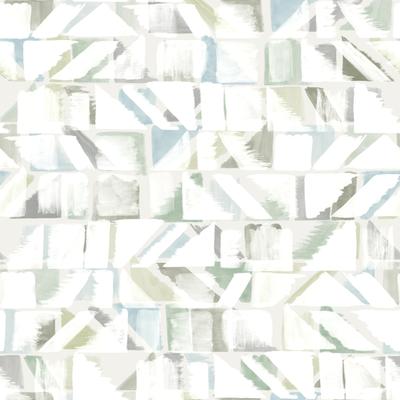
York Wallcoverings Blue Refraction Peel and Stick WallpaperPattern Refraction is a fractured geometric with the effect of a broken prism of reflected light. This Refraction Peel & Stick Wallpaper measures approximately 20.5 inches wide by 20 feet long, covering About 34.2 square feet per roll.47,07 $*Shipping: 0,00 $Secure redirect to the provider
-
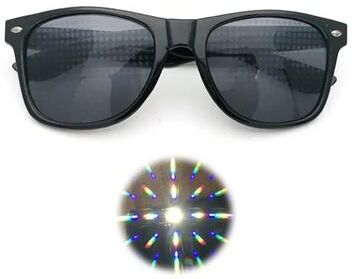
Quick Pick Pro Prism Effect Diffraction Glasses For Raves & Festivals Black Frame Rave Glasses With Light Refraction Lenses Prism Effect Diffraction Glasses For Raves & Festivals Black Frame Rave Glasses With Light Refraction LensesStep into a world where light becomes a living celebration. These Prism Effect diffraction glasses turn every laser, LED and stage light into vibrant, kaleidoscopic visuals that pull you deeper into the moment. Designed for music lovers, festival...41,97 $*Shipping: 0,00 $Secure redirect to the provider
-
Usborne Publishing Ltd Usborne Beginners History & Usborne Beginners Nature 20 Books Collection Box SetTitles in this set: Usborne Beginners History Stone Age Iron Age Egyptians Ancient Greeks Celts Romans The Maya Vikings Castles Digging Up the Past. Usborne Beginners Nature Reptiles Tadpoles and Frogs Rainforest Trees How Flowers Grow Caterpillars and Butterflies Spiders Bugs Bees & Wasps Ants Description Stone Age This simple information book follows the history of Stone Age people and how they lived. Iron Age This simple information book charts the history of Iron Age people and how they lived, including their farming methods, the gods they prayed to and the hill forts where they lived. Egyptians Who were the ancient Egyptians? Why did they build pyramids and how were mummies made? Ancient Greeks Find out about Ancient Greece, what people wore, ate and did for fun and learn about some of the most famous philosophers and mathematicians of the age in this compelling book for beginner readers. Celts Who were the Celts exactly? Did you know they lived on top of hills? Do you have any idea how Celtic warriors made themselves look really scary in battle? Romans Who were the ancient Romans? Where did they go to eat, shop and wash? What did they do for fun? The Maya Who were the Maya? Where did they live? Why did they build tall stone temples? Vikings Find out what it was like to be a Viking, and learn about Viking homes, feasts, boats, gods and much more in this fascinating book. Castles Who lived in a castle, and what was it like? Children can find out the answers to these questions and lots more about the wonderful world of castles in this informative book. Digging Up the Past How do ancient things get buried? Who digs them up? And what do they find? Beginner readers can find answers to these questions and more in this colourful information book. Reptiles This is a fantastic brand new addition to the "Beginners" series, designed to provide an informative introduction to trees and plant-life for young readers. Tadpoles and Frogs Vivid, full colour illustrations and photographs on every page, accompanied by short, informative text. Rainforest It offers a terrific reading practice for children who prefer fact to fiction. It is developed with a reading expert from Roehampton University to help young readers grow in confidence. Trees This is a fantastic brand new addition to the 'Beginners' series, designed to provide an informative introduction to trees and plant-life for young readers. How Flowers Grow How do flowers grow in dry deserts? How do animals help to spread seeds? Which flower smells like rottng meat? Caterpillars and Butterflies Usborne Beginners are colourful information books for children beginning to read on their own. Spiders Usborne Beginners are colourful information books for children beginning to read on their own. Bugs Usborne Beginners are colourful information books for children beginning to read on their own. Bees & Wasps A slim and unintimidating book which belies its contents - a wealth of information, much of which will be...34,99 £*Shipping: 2,99 £Secure redirect to the provider
-
Orion Magnolia Parks: Into the Dark by Jessa Hastings - Book 5 Magnolia Parks Universe - Contemporary Romance Paperback -Get lost in the addictive world of Jessa Hastings' Magnolia Parks Universe with book five, Into the Dark. This contemporary romance novel follows Magnolia and BJ as they face a devastating loss while planning their high-profile wedding. As family tensions rise and secrets resurface, they must decide if their love can survive the darkest chapter of their story yet. A brand new paperback edition, perfect for fans of glamorous, emotionally charged romance. Jessa Hastings weaves high-society glamour with raw, intimate vulnerability, exploring the complexities of relationships and the power of love to overcome adversity. Following on from Magnolia Parks, Daisy Haites, Magnolia Parks: The Long Way Home and Daisy Haites: The Great Undoing, Into the Dark is a gripping addition to the series, sure to captivate readers with its relatable characters and engaging storyline.8,99 £*Shipping: 2,99 £Secure redirect to the provider
-
How do I calculate refraction or the angle of refraction?
To calculate refraction or the angle of refraction, you can use Snell's Law, which relates the angles of incidence and refraction to the refractive indices of the two mediums involved. The formula is n1*sin(theta1) = n2*sin(theta2), where n1 and n2 are the refractive indices of the two mediums, and theta1 and theta2 are the angles of incidence and refraction, respectively. By rearranging this formula, you can solve for the angle of refraction when given the angle of incidence and refractive indices of the mediums. **
-
How do I calculate the refraction or the angle of refraction?
To calculate the angle of refraction, you can use Snell's Law, which states that the ratio of the sine of the angle of incidence to the sine of the angle of refraction is equal to the ratio of the velocities of light in the two different mediums. Mathematically, this can be expressed as n1*sin(theta1) = n2*sin(theta2), where n1 and n2 are the refractive indices of the two mediums, and theta1 and theta2 are the angles of incidence and refraction, respectively. By rearranging this equation, you can solve for the angle of refraction. **
-
What is the angle of refraction in the refraction of light?
The angle of refraction in the refraction of light is the angle between the refracted ray and the normal to the surface at the point of incidence. It is determined by Snell's Law, which states that the ratio of the sine of the angle of incidence to the sine of the angle of refraction is equal to the ratio of the velocities of light in the two media. The angle of refraction can be calculated using the formula: n1*sin(θ1) = n2*sin(θ2), where n1 and n2 are the refractive indices of the two media, and θ1 and θ2 are the angles of incidence and refraction, respectively. **
-
What is refraction in a prism?
Refraction in a prism is the bending of light as it passes through the prism due to the change in speed of light in different mediums. When light enters a prism, it slows down and bends towards the normal line, then as it exits the prism, it speeds up and bends away from the normal line. This bending of light causes the different colors of the spectrum to separate and create a rainbow effect. **
Similar search terms for Refraction
-
Orion Magnolia Parks: The Long Way Home by Jessa Hastings - Book 3, Magnolia Parks Universe - Paperback Romance FictionMagnolia Parks: The Long Way Home is the third book in Jessa Hastings' addictive Magnolia Parks Universe, a contemporary romance saga that has taken TikTok by storm. This paperback continues the on-again, off-again story of Magnolia and BJ, set against the glossy backdrops of London and New York. Nearly a year has passed since everything unravelled between them, and life has moved on. Magnolia has built a new existence for herself in New York, while BJ appears to have finally let go, moving forward without her. But when circumstances pull them both back to London, old feelings resurface and the pair are forced to confront the question that has haunted them.8,99 £*Shipping: 2,99 £Secure redirect to the provider
-
Usborne Beginners Nature, Science & History Collection 30 Books Set - Ages 4-10 - Paperback Usborne Publishing LtdTitles in This Set: Usborne Beginners Nature 10 Books: 1. Ants 2. Bees & Wasps 3. Bugs 4. Spiders 5. Tadpoles and Frogs 6. Caterpillars and Butterflies 7. How Flowers Grow 8. Trees 9. Rainforest 10. Reptiles Usborne Beginners Science 10 Books: 1. Earthquakes & Tsunamis 2. Sun Moon and Stars 3. Living in Space 4. Storms and Hurricanes 5. Volcanoes 6. Astronomy 7. The Solar System 8. Your Body 9. Planet Earth 10. Weather Usborne Beginners History 10 Books: Titles in This Set: 1. Ancient Greeks 2. Castles 3. Celts 4. Digging Up the Past 5. Egyptians 6. Iron Age 7. Maya 8. Romans 9. Stone Age 10. Vikings Description : Usborne Beginners Nature 10 Books Ants Where do ants live? What do they eat? How much weight can they carry? Little children can find out the answers to these questions and much more in this simple introduction to the world of ants. Bees & Wasps What do bees and wasps eat? What type of nests do they make? How do bees make honey? Find out the answers and lots more in this intriguing introduction to the fascinating world of bees and wasps. Bugs ''There are all kinds of different bugs. Some can jump up high. Other bugs have lots of legs.” Bugs is part of an exciting reading series for young children, with lots of pictures and very simple text. Spiders “Spiders have eight legs. Most of them have eight eyes, but some of them can’t see very well.” Learn all about spiders in this great book for children learning to read by themselves. Tadpoles and Frogs From egg to frog, find out about the entire life cycle of a frog in this easy-to-read fully illustrated book for young learners ages 4+. It comes complete with weblinks so you can see the process for yourself. Caterpillars and Butterflies A beautifully illustrated introduction to the life of butterflies and caterpillars, with easy to read text for beginner readers. The life cycle of a butterfly is shown with stunning photographs and illustrations, and there are links to carefully selected websites with videos that show butterflies emerging from their pupae. How Flowers Grow How do flowers grow in dry deserts? How do animals help to spread seeds? Which flower smells like rotting meat? Find out in this great book for young readers ages four and up. Trees How do trees use their leaves to make food? Why do they grow flowers and fruit? Which animals live inside a tree trunk and build nests in its branches? How can we help to protect trees? This book has all the answers and much more, along with photographs, step-by-step illustrations, simple text and links to websites with video clips and activities. Rainforests Learn all about the rainforest in this fantastic easy-to-read book for children 4+ beginning to strike out on their own. From towering trees to rainforest rivers, this fully-illustrated book also features links to carefully selected websites. Reptiles Learn all about the lizard world in this fully-illustrated guide, the latest in the Usborne Beginners series. From scaly skin to tongue tricks...42,75 £*Shipping: 0,00 £Secure redirect to the provider
-
Usborne Beginners Series – 30 Book Collection Box Set Children’s Educational Books (History, Nature & Science) KS1 KS2Usborne Beginners Series 30 Books Collection Box Set (History- Nature- Science) Build a strong foundation in knowledge and reading with the Usborne Beginners Series – 30 Books Collection Box Set, published by Usborne. This comprehensive educational collection introduces children to a wide range of topics across history, science, and nature, using clear language, engaging illustrations, and structured layouts designed for young learners. Perfectly suited for KS1 and KS2 pupils, these books support both curriculum learning and independent reading. From natural disasters and wildlife to historical events and scientific discoveries, the series encourages curiosity, critical thinking, and a love of learning. Description Titles in this set: History Stone Age Iron Age Egyptians Ancient Greeks Celts Romans The Maya Vikings Castles Digging Up the Past Nature Reptiles Tadpoles and Frogs Rainforest Trees How Flowers Grow Caterpillars and Butterflies Spiders Bugs Bees & Wasps Ants Science Earthquakes & Tsunamis Sun Moon and Stars Living in Space Storms and Hurricanes Volcanoes Astronomy The Solar System Your Body Planet Earth Weather Related Tags: Usborne, Usbourne42,75 £*Shipping: 0,00 £Secure redirect to the provider
-
Our Voices: Neighborhood & Community Boxed SetFoster a feeling of belonging while building key reading skills with these colorful storybooks that spotlight a variety of neighborhoods and communities. The 10 charming stories feature characters from different cultural backgrounds who learn about...32,37 $*Shipping: 0,00 $Secure redirect to the provider
-
What is the law of refraction?
The law of refraction, also known as Snell's law, describes the relationship between the angles of incidence and refraction when a wave, such as light or sound, passes from one medium to another. It states that the ratio of the sine of the angle of incidence to the sine of the angle of refraction is equal to the ratio of the velocities of the wave in the two media. In other words, the law of refraction quantifies how much a wave bends as it passes from one medium to another, such as from air to water or from air to glass. **
-
How does the refraction of light occur?
Refraction of light occurs when light travels from one medium to another with a different optical density, causing the light rays to change direction. This change in direction is due to the difference in speed of light in the two mediums. As light enters a medium with a different optical density, it can either speed up or slow down, causing the light rays to bend. This bending of light is what we observe as refraction. **
-
How can one construct refraction of light?
One can construct refraction of light by passing light through a medium with a different optical density, such as air to water or glass. The change in optical density causes the light to change speed and bend as it enters the new medium, resulting in refraction. The angle of refraction can be calculated using Snell's Law, which relates the angles of incidence and refraction to the refractive indices of the two mediums. By understanding and manipulating these principles, one can effectively construct and demonstrate refraction of light. **
-
How do you calculate refraction in physics?
In physics, refraction is calculated using Snell's Law, which relates the angles of incidence and refraction to the refractive indices of the two materials involved. The formula for Snell's Law is n1*sin(θ1) = n2*sin(θ2), where n1 and n2 are the refractive indices of the two materials, and θ1 and θ2 are the angles of incidence and refraction, respectively. By rearranging this formula, one can solve for any of the variables involved in the refraction process. This calculation is crucial for understanding how light bends as it passes from one medium to another, such as from air to water or from air to glass. **
* All prices are inclusive of VAT and, if applicable, plus shipping costs. The offer information is based on the details provided by the respective shop and is updated through automated processes. Real-time updates do not occur, so deviations can occur in individual cases. ** Note: Parts of this content were created by AI.