Buy frohnau.eu ?
We are moving the project
frohnau.eu .
Are you interested in purchasing the domain
frohnau.eu ?
domain@kv-gmbh.de · 0541-91531010
Buy frohnau.eu ?
How can one get colleges or universities to buy one's own nonfiction books?
One way to get colleges or universities to buy your nonfiction books is to establish yourself as an expert in your field through speaking engagements, articles, and other forms of public recognition. This can help build your credibility and make your books more appealing to academic institutions. Additionally, reaching out directly to professors, department heads, or librarians at colleges and universities and offering to provide copies of your book for review or consideration for course adoption can also be effective. Finally, working with a literary agent or publishing company that specializes in academic or nonfiction books can help you navigate the process of getting your books into college and university libraries and curriculums. **
What is a therapeutic residential community (WG) 2?
A therapeutic residential community (WG) 2 is a supportive living environment designed to provide therapy and support for individuals dealing with mental health or substance abuse issues. It offers a structured and safe space for residents to work on their recovery, learn coping skills, and build a support network. The community typically includes a team of mental health professionals, counselors, and peers who work together to create a healing and nurturing environment. Residents are encouraged to participate in group therapy, individual counseling, and various activities aimed at promoting personal growth and well-being. **

Similar search terms for Nonfiction
Top-Angebote
Products related to Nonfiction:
-
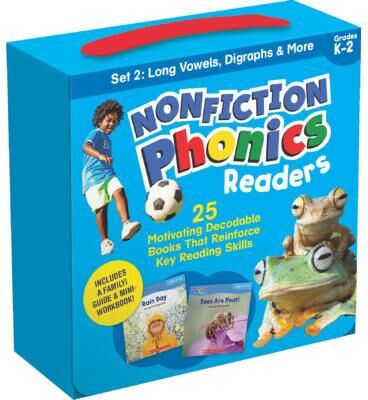
Nonfiction Phonics Readers SET 2: Long Vowels, Digraphs & MoreGive your child the tools to become a successful reader with this big collection of titles that target must-know concepts: long vowels, digraphs, two syllable words, and more. Each title features clear photos, just-right decodable text, and lively...21,59 $*Shipping: 0,00 $Secure redirect to the provider
-
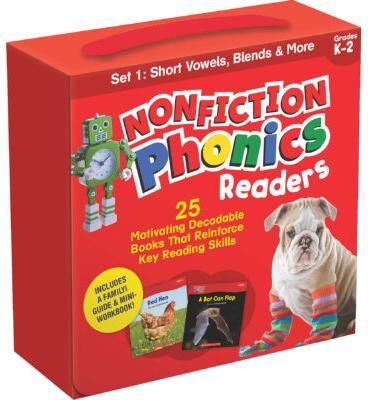
Nonfiction Phonics Readers SET 1: Short Vowels, Blends & MoreGive your child the tools to become a successful reader with this big collection of titles that target must-know concepts: short vowels, blends, plurals, and more. Each title features clear photos, just-right decodable text, and lively real-world...21,59 $*Shipping: 0,00 $Secure redirect to the provider
-
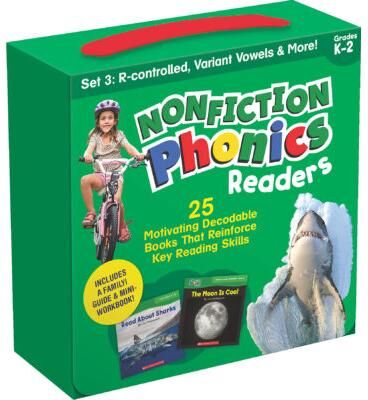
Nonfiction Phonics Readers SET 3: R-Control, Variant Vowels & MoreReinforce must-know phonics concepts with this cutting-edge series of nonfiction books! Each title features simple decodable text paired with clear, colorful photos to maximize learning and fun. From birds to birthdays, fast cars to big sharks―all...21,59 $*Shipping: 0,00 $Secure redirect to the provider
-
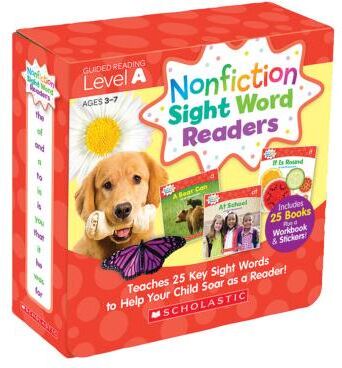
Scholastic Teaching Resources Nonfiction Sight Word Readers Parent Pack Level AParents can set the stage for their child to soar with these just-right books that teach the first 100 Fry sight words! Each box incParents can set the stage for their child to soar with these just-right books that teach the first 100 Fry sight...23,99 $*Shipping: 0,00 $Secure redirect to the provider
-
What is a therapeutic residential community (WG) number 3?
Therapeutic residential community (WG) number 3 is a type of residential treatment program that provides a therapeutic environment for individuals who are struggling with mental health issues, substance abuse, or other behavioral challenges. These communities offer a structured and supportive living environment where residents can receive therapy, counseling, and support from trained professionals. The goal of WG number 3 is to help residents develop coping skills, build healthy relationships, and work towards recovery and stability. This type of program often includes a combination of individual and group therapy, life skills training, and recreational activities to support the overall well-being of residents. **
-
What is the constructive nature of history?
The constructive nature of history refers to the way in which our understanding and interpretation of historical events and figures can shape our present and future. By studying history, we can learn from past mistakes and successes, and use that knowledge to build a better future. History also helps us understand the complexities of human societies and the interconnectedness of different cultures and civilizations. Ultimately, the constructive nature of history lies in its ability to provide valuable lessons and insights that can inform our decisions and actions in the present and future. **
-
How long does one typically stay in a therapeutic residential community?
The length of stay in a therapeutic residential community can vary depending on the individual's needs and progress. Typically, individuals stay in these communities for several weeks to several months. Some programs may have a minimum stay requirement to ensure that individuals have enough time to work through their issues and make progress towards their treatment goals. Ultimately, the length of stay is determined by the individual's treatment plan and their progress in therapy. **
-
What is the difference between an intensive pedagogical residential group and a therapeutic pedagogical residential and workshop community?
An intensive pedagogical residential group focuses primarily on providing educational and developmental support to individuals in a residential setting. The emphasis is on academic and skill-building activities, with a focus on personal growth and development. On the other hand, a therapeutic pedagogical residential and workshop community places a greater emphasis on providing therapeutic support and intervention for individuals with emotional, behavioral, or mental health challenges. This type of community may offer a range of therapeutic activities and workshops in addition to educational and developmental support. Overall, the key difference lies in the level of therapeutic intervention and support provided in the latter compared to the former. **

How long does the average person stay in a therapeutic residential community?
The length of stay in a therapeutic residential community can vary widely depending on the individual's needs and the program's structure. However, on average, individuals may stay in a therapeutic residential community for several months to a year. Some programs may offer shorter-term stays for crisis intervention or stabilization, while others may provide longer-term support for individuals with more complex needs. Ultimately, the length of stay is determined by the individual's progress and readiness to transition to less intensive levels of care. **
What is an appropriate meal allowance in a senior care residential community?
An appropriate meal allowance in a senior care residential community would typically include three balanced meals a day, as well as snacks. The meals should be nutritious and cater to the dietary needs and preferences of the residents. The allowance should also take into account any special dietary requirements or restrictions that residents may have, such as low-sodium or diabetic-friendly options. Additionally, the meal allowance should provide a variety of food choices to ensure that residents have a well-rounded and enjoyable dining experience. **
Top-Angebote
Products related to Nonfiction:
-
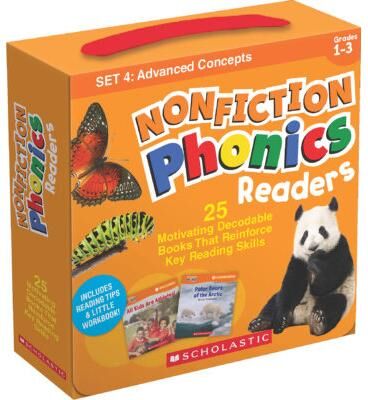
Scholastic Nonfiction Phonics Readers SET 4: Advanced ConceptsExpand your child's phonics skills with these informative books that target and teach important advanced concepts: prefixes, suffixes, vowel team exceptions, multisyllabic words, and more. Each title features clear photos, just-right decodable text,...21,59 $*Shipping: 0,00 $Secure redirect to the provider
-
Usborne Books, Nature nonfiction books 10 Books Collection Box Set Library for Kids (New Hardcover Books)Usborne Books, Nature nonfiction books 10 Books Box Set Library for Kids (New Hardcover Books) Reptiles This is a fantastic brand new addition to the 'Beginners' series, designed to provide an informative introduction to trees and plant-life for young readers. Tadpoles and Frogs Vivid, full colour illustrations and photographs on every page, accompanied by short, informative text. Rainforest It offers a terrific reading practice for children who prefer fact to fiction. It is developed with a reading expert from Roehampton University to help young readers grow in confidence. Trees This is a fantastic brand new addition to the 'Beginners' series; designed to provide an informative introduction to trees and plant-life for young readers. How Flowers Grow How do flowers grow in dry deserts? How do animals help to spread seeds? Which flower smells like rotting meat? Caterpillars and Butterflies Usborne Beginners are colourful information books for children beginning to read on their own. Spiders Usborne Beginners are colourful information books for children beginning to read on their own. Bugs Usborne Beginners are colourful information books for children beginning to read on their own. Bees and Wasps A slim and unintimidating book which belies its contents - a wealth of information; much of which will be new even to adults. Ants Where do ants live? What do they eat? How much weight can they carry? Little children can find out the answers to these questions and much more in this simple introduction to the world of ants. Related Tags: Usborne, Usbourne14,99 £*Shipping: 2,99 £Secure redirect to the provider
-
Nonfiction Phonics Readers SET 2: Long Vowels, Digraphs & MoreGive your child the tools to become a successful reader with this big collection of titles that target must-know concepts: long vowels, digraphs, two syllable words, and more. Each title features clear photos, just-right decodable text, and lively...21,59 $*Shipping: 0,00 $Secure redirect to the provider
-
Nonfiction Phonics Readers SET 1: Short Vowels, Blends & MoreGive your child the tools to become a successful reader with this big collection of titles that target must-know concepts: short vowels, blends, plurals, and more. Each title features clear photos, just-right decodable text, and lively real-world...21,59 $*Shipping: 0,00 $Secure redirect to the provider
-
How can one get colleges or universities to buy one's own nonfiction books?
One way to get colleges or universities to buy your nonfiction books is to establish yourself as an expert in your field through speaking engagements, articles, and other forms of public recognition. This can help build your credibility and make your books more appealing to academic institutions. Additionally, reaching out directly to professors, department heads, or librarians at colleges and universities and offering to provide copies of your book for review or consideration for course adoption can also be effective. Finally, working with a literary agent or publishing company that specializes in academic or nonfiction books can help you navigate the process of getting your books into college and university libraries and curriculums. **
-
What is a therapeutic residential community (WG) 2?
A therapeutic residential community (WG) 2 is a supportive living environment designed to provide therapy and support for individuals dealing with mental health or substance abuse issues. It offers a structured and safe space for residents to work on their recovery, learn coping skills, and build a support network. The community typically includes a team of mental health professionals, counselors, and peers who work together to create a healing and nurturing environment. Residents are encouraged to participate in group therapy, individual counseling, and various activities aimed at promoting personal growth and well-being. **
-
What is a therapeutic residential community (WG) number 3?
Therapeutic residential community (WG) number 3 is a type of residential treatment program that provides a therapeutic environment for individuals who are struggling with mental health issues, substance abuse, or other behavioral challenges. These communities offer a structured and supportive living environment where residents can receive therapy, counseling, and support from trained professionals. The goal of WG number 3 is to help residents develop coping skills, build healthy relationships, and work towards recovery and stability. This type of program often includes a combination of individual and group therapy, life skills training, and recreational activities to support the overall well-being of residents. **
-
What is the constructive nature of history?
The constructive nature of history refers to the way in which our understanding and interpretation of historical events and figures can shape our present and future. By studying history, we can learn from past mistakes and successes, and use that knowledge to build a better future. History also helps us understand the complexities of human societies and the interconnectedness of different cultures and civilizations. Ultimately, the constructive nature of history lies in its ability to provide valuable lessons and insights that can inform our decisions and actions in the present and future. **
Similar search terms for Nonfiction
-
Nonfiction Phonics Readers SET 3: R-Control, Variant Vowels & MoreReinforce must-know phonics concepts with this cutting-edge series of nonfiction books! Each title features simple decodable text paired with clear, colorful photos to maximize learning and fun. From birds to birthdays, fast cars to big sharks―all...21,59 $*Shipping: 0,00 $Secure redirect to the provider
-
Scholastic Teaching Resources Nonfiction Sight Word Readers Parent Pack Level AParents can set the stage for their child to soar with these just-right books that teach the first 100 Fry sight words! Each box incParents can set the stage for their child to soar with these just-right books that teach the first 100 Fry sight...23,99 $*Shipping: 0,00 $Secure redirect to the provider
-
Fly Guy Presents: NonFiction Bundle (Pack of 12) (paperback) - by Tedd ArnoldFly Guy presents twelve books to help reading skills take flight. Award-winning author/illustrator Tedd Arnold combines his trademark whimsical artwork with real-life photographs and easily accessible facts about everything from bugs and bats to...41,99 $*Shipping: 0,00 $Secure redirect to the provider
-
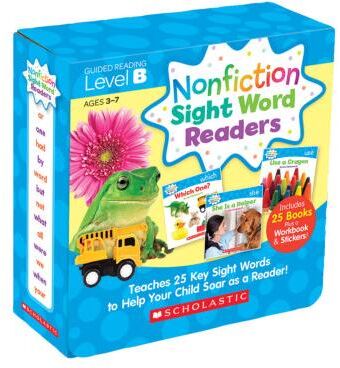
Scholastic Teaching Resources Nonfiction Sight Word Readers Parent Pack Level BParents can set the stage for their child to soar with these just-right books that teach the first 100 Fry sight words! Each box incParents can set the stage for their child to soar with these just-right books that teach the first 100 Fry sight...23,99 $*Shipping: 0,00 $Secure redirect to the provider
-
How long does one typically stay in a therapeutic residential community?
The length of stay in a therapeutic residential community can vary depending on the individual's needs and progress. Typically, individuals stay in these communities for several weeks to several months. Some programs may have a minimum stay requirement to ensure that individuals have enough time to work through their issues and make progress towards their treatment goals. Ultimately, the length of stay is determined by the individual's treatment plan and their progress in therapy. **
-
What is the difference between an intensive pedagogical residential group and a therapeutic pedagogical residential and workshop community?
An intensive pedagogical residential group focuses primarily on providing educational and developmental support to individuals in a residential setting. The emphasis is on academic and skill-building activities, with a focus on personal growth and development. On the other hand, a therapeutic pedagogical residential and workshop community places a greater emphasis on providing therapeutic support and intervention for individuals with emotional, behavioral, or mental health challenges. This type of community may offer a range of therapeutic activities and workshops in addition to educational and developmental support. Overall, the key difference lies in the level of therapeutic intervention and support provided in the latter compared to the former. **
-
How long does the average person stay in a therapeutic residential community?
The length of stay in a therapeutic residential community can vary widely depending on the individual's needs and the program's structure. However, on average, individuals may stay in a therapeutic residential community for several months to a year. Some programs may offer shorter-term stays for crisis intervention or stabilization, while others may provide longer-term support for individuals with more complex needs. Ultimately, the length of stay is determined by the individual's progress and readiness to transition to less intensive levels of care. **
-
What is an appropriate meal allowance in a senior care residential community?
An appropriate meal allowance in a senior care residential community would typically include three balanced meals a day, as well as snacks. The meals should be nutritious and cater to the dietary needs and preferences of the residents. The allowance should also take into account any special dietary requirements or restrictions that residents may have, such as low-sodium or diabetic-friendly options. Additionally, the meal allowance should provide a variety of food choices to ensure that residents have a well-rounded and enjoyable dining experience. **
* All prices are inclusive of VAT and, if applicable, plus shipping costs. The offer information is based on the details provided by the respective shop and is updated through automated processes. Real-time updates do not occur, so deviations can occur in individual cases. ** Note: Parts of this content were created by AI.